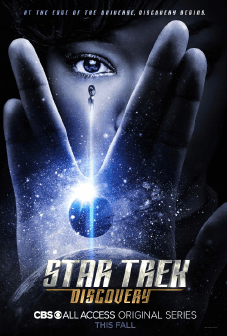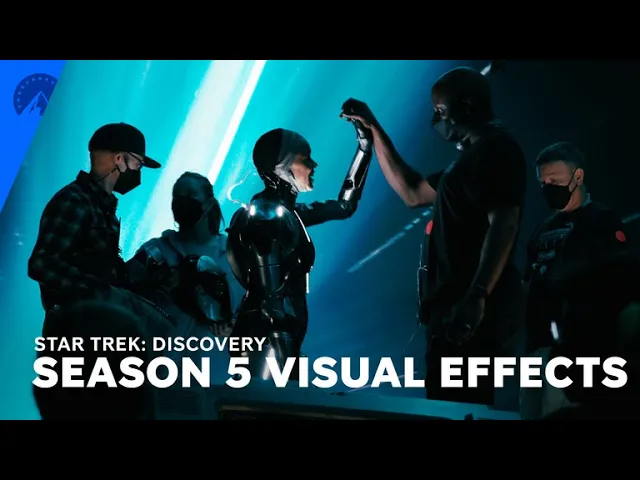
Star Trek : Discovery S5
From Traditional VFX to Virtual Production | 従来のVFXからバーチャルプロダクションへ
Having worked on Star Trek: Discovery across all five seasons, I witnessed its evolution from traditional VFX to virtual production. The early seasons relied heavily on conventional workflows, but by Season 4, virtual production was integrated, transforming how environments and effects were created. This progression reflected the industry's broader shift, and being part of the transition provided invaluable insight into the changing landscape of filmmaking.
Project Credit
Head of Virtual Art Department & Art Direction
Realtime Environment Supervision & Creation
VFX Concept Art, Environment, Digital Matte Painting Supervision & Creation
Star Trek : Discovery S5
From Traditional VFX to Virtual Production | 従来のVFXからバーチャルプロダクションへ
Having worked on Star Trek: Discovery across all five seasons, I witnessed its evolution from traditional VFX to virtual production. The early seasons relied heavily on conventional workflows, but by Season 4, virtual production was integrated, transforming how environments and effects were created. This progression reflected the industry's broader shift, and being part of the transition provided invaluable insight into the changing landscape of filmmaking.
Project Credit
Head of Virtual Art Department & Art Direction
Realtime Environment Supervision & Creation
VFX Concept Art, Environment, Digital Matte Painting Supervision & Creation
PXO BTS | VFX Breakdown
PXO BTS | VFX Breakdown
© CONTENT コンテンツ
(MJ-S10-01)
PROJECT BREAKDOWN プロジェクトの詳細
PROJECT BREAKDOWN
PROJECT BREAKDOWN
PROJECT BREAKDOWN
Season Five : The Last Ride
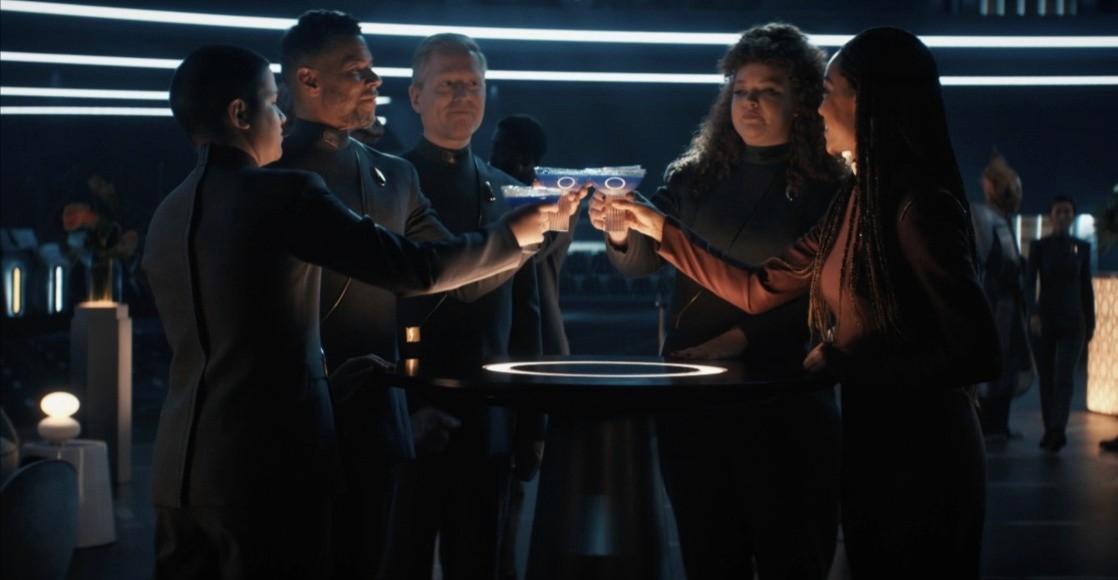
It's hard to believe we are now at the end of Star Trek : Discovery. Having worked on all 5 seasons and how it evolved from a full traditional project we did most of the Visual Effects on to fully utilizing the power of Virtual Production, it was a great way to end a long journey with the team involved.
I have also grown from a Digital Matte Painting Supervisor in season one to building and running a Virtual Art Department as the Head of VAD. Having learnt so many things along the way with my co-head Asad Manzoor, and amazing VAD supervisors Zach Dembinski, Andreas Nehls, Dieter Magallan and Sepp Sonntag during the production of Season 5.
In this season I was also acting as our in-house Art Director while also overseeing all the environment creation as the Head of VAD, leading and working on concept art, key frames and providing DMP at the same time. It's a great way to wrap a great series.
It'd always have a special place in our lives.
“Live long and prosper.” 🖖
Alien Planet
エイリアンプラネット
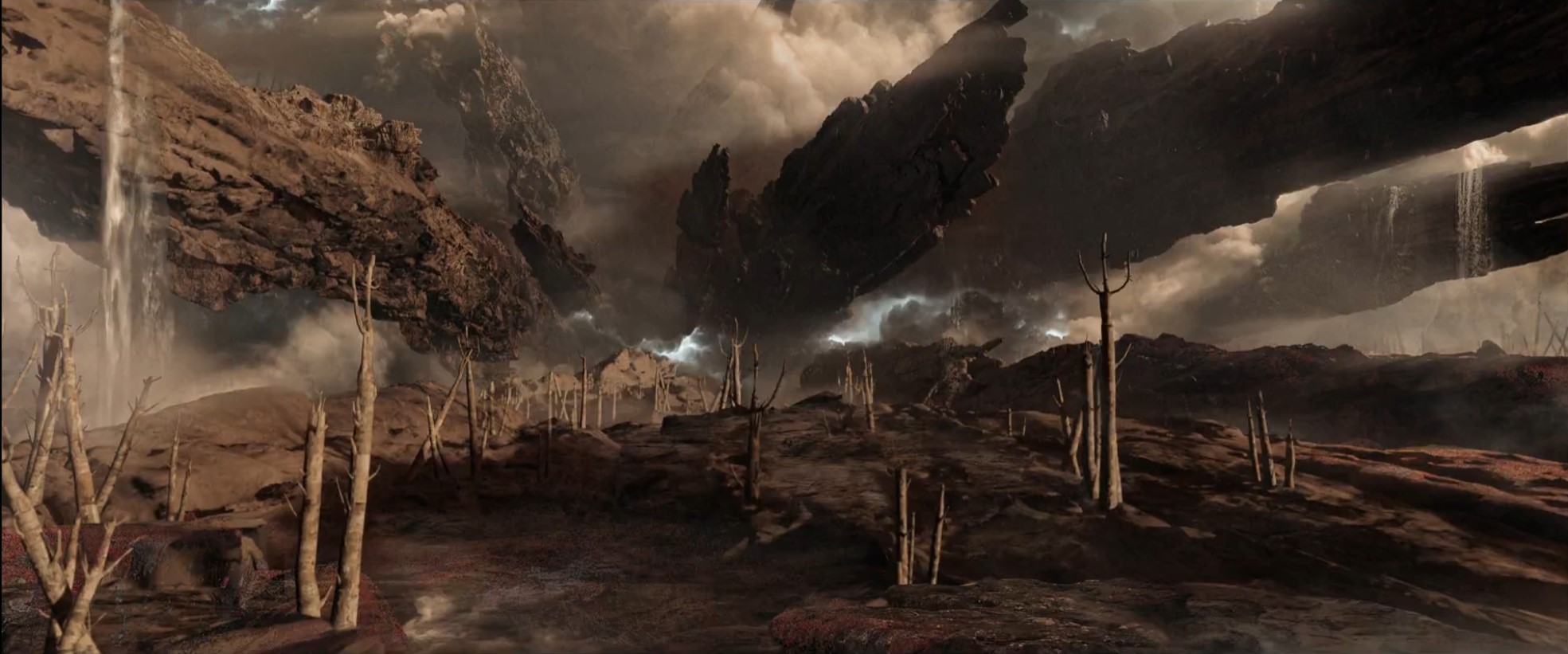
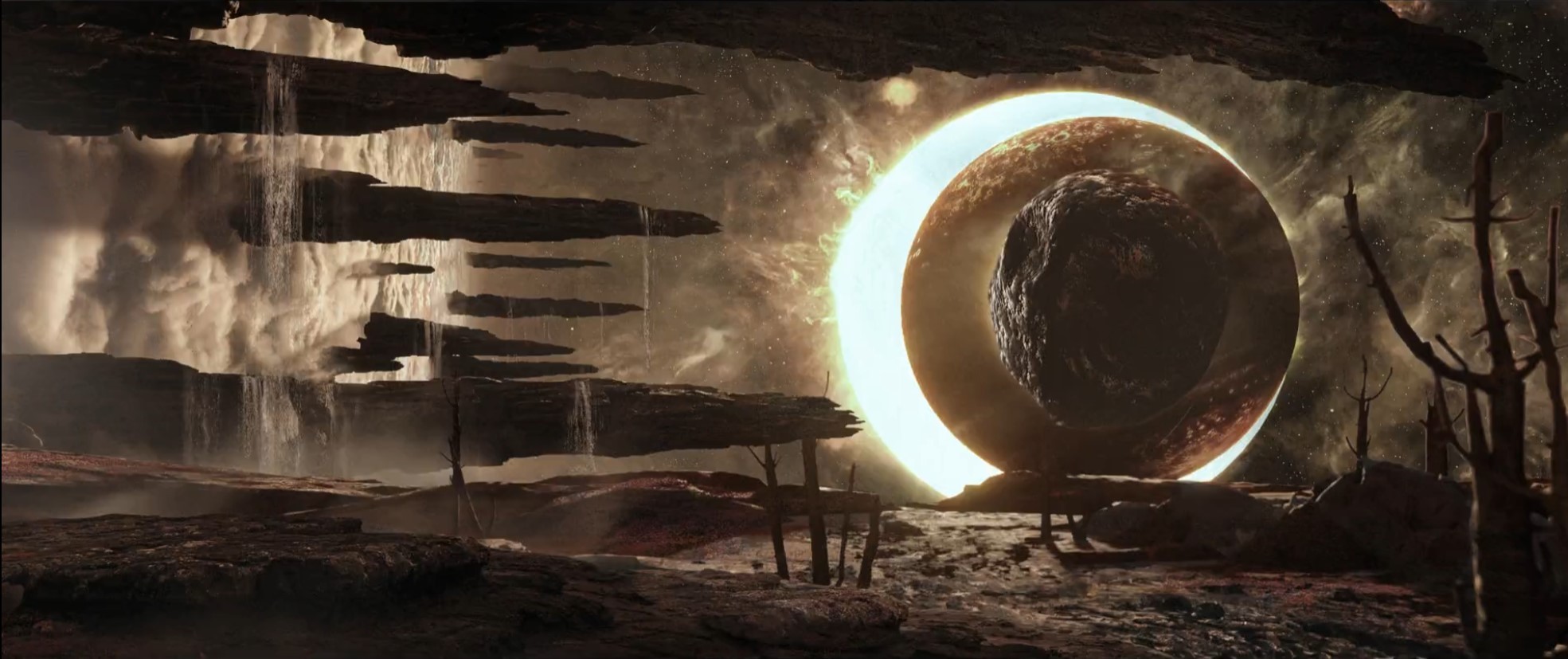
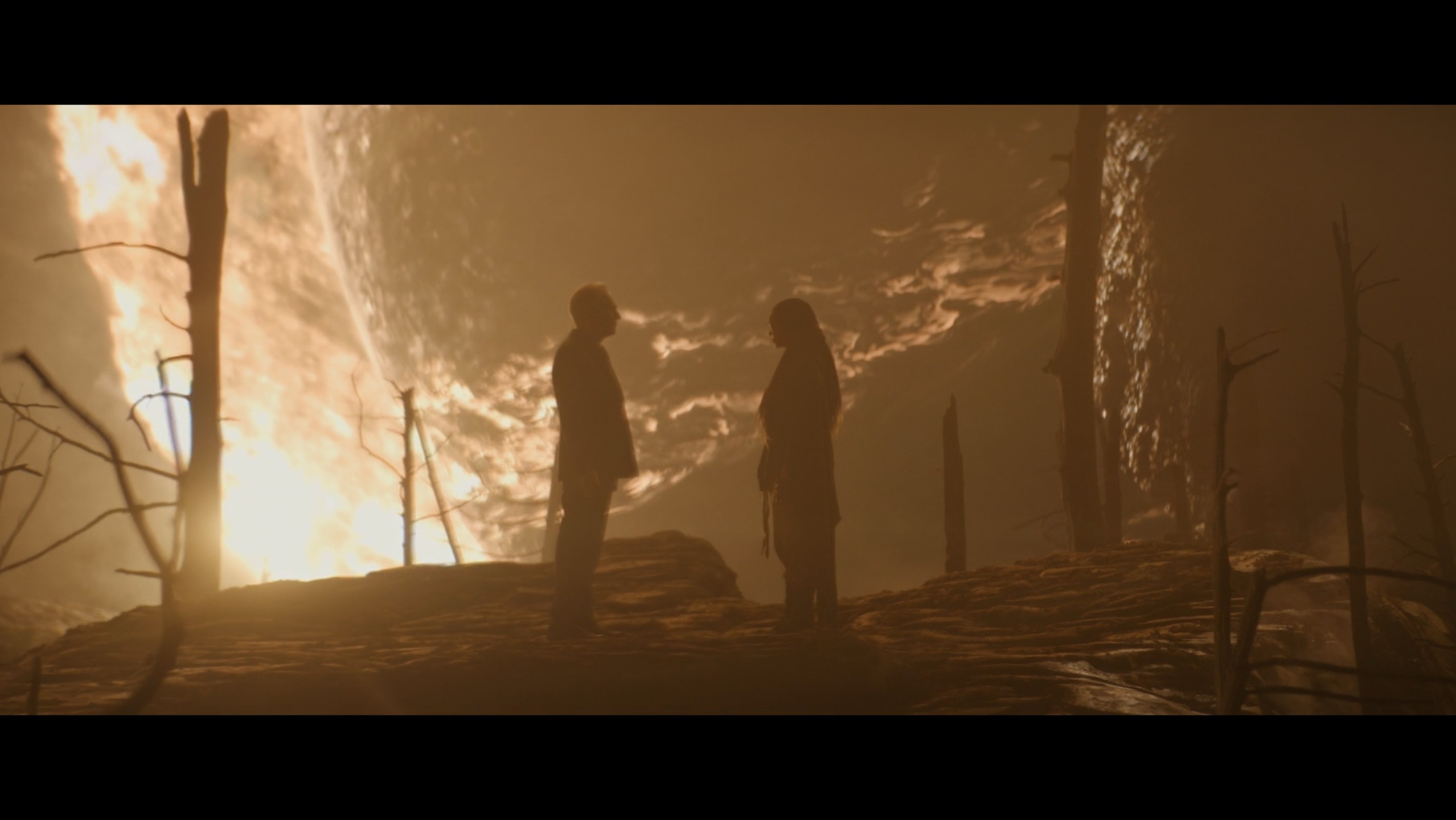
The cloud-ocean planet serves as one of the mysterious waypoints in the crew’s search for ancient technology. Its surface is unlike any other world they’ve encountered—an endless sea of thick, roiling clouds pierced by immense rock spires that jut upward as if defying gravity. For the characters, this environment is both a physical and symbolic challenge: navigation is treacherous, visibility is limited, and the very laws of nature seem distorted. It becomes a backdrop that tests their resolve and ingenuity, reflecting the season’s larger theme of confronting the unknown and pushing beyond the limits of what feels possible.
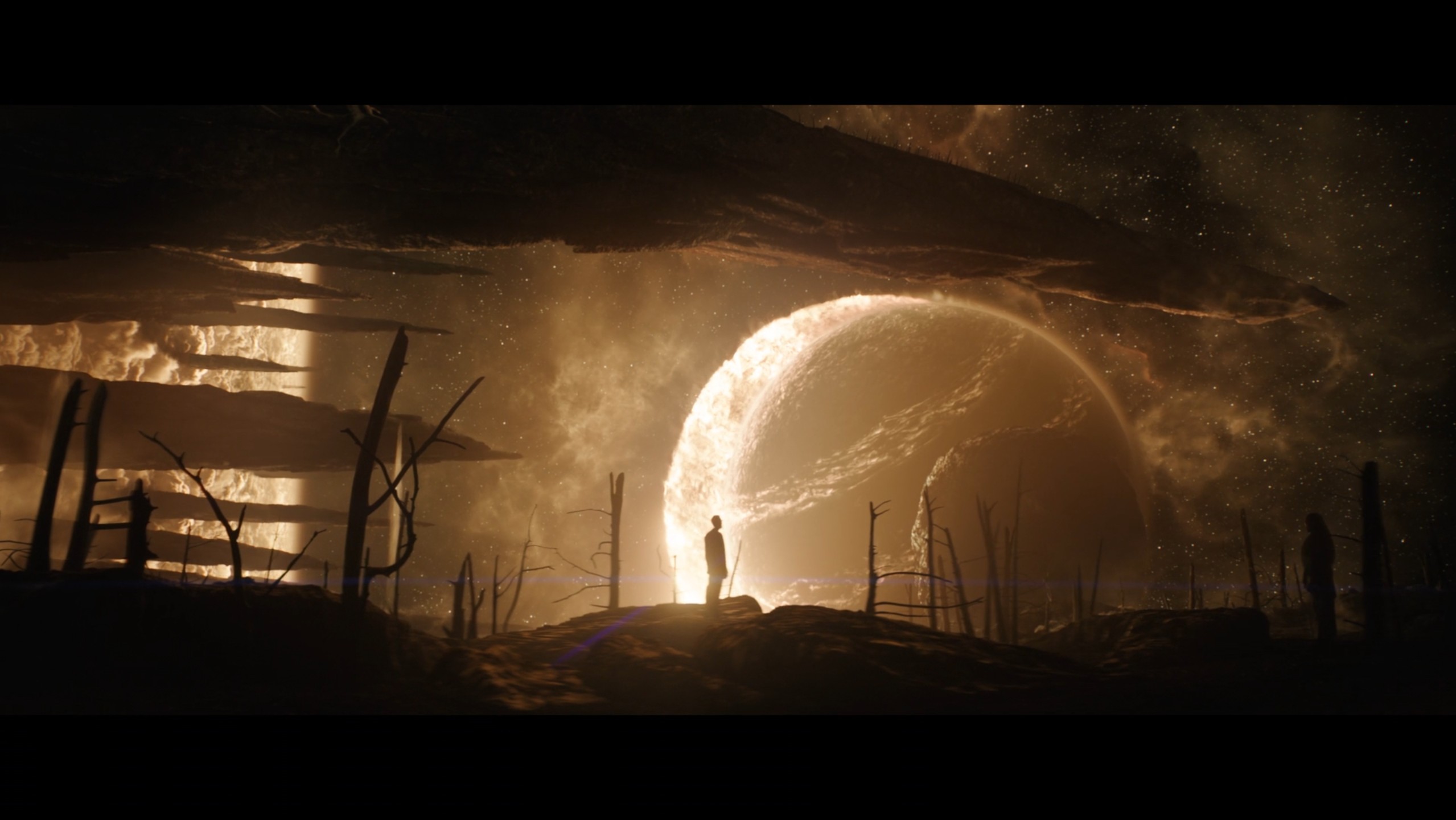
Mystery Surrounded by Clouds
This environment was conceived as a planet dominated by an endless ocean of clouds, punctuated by towering rock columns that pierce through the atmosphere. The landscape constantly plays with gravity, bending our normal expectations of physics and creating a sense of disorientation and wonder. These floating structures and impossible vistas establish a surreal, dreamlike quality that pushes beyond conventional planetary design. The visual language of defying gravity and challenging natural laws became a recurring motif throughout the season, reinforcing the show’s theme of venturing into the unknown and encountering worlds that expand the boundaries of imagination.
Moll & L'ak Ship
モル&ラック船
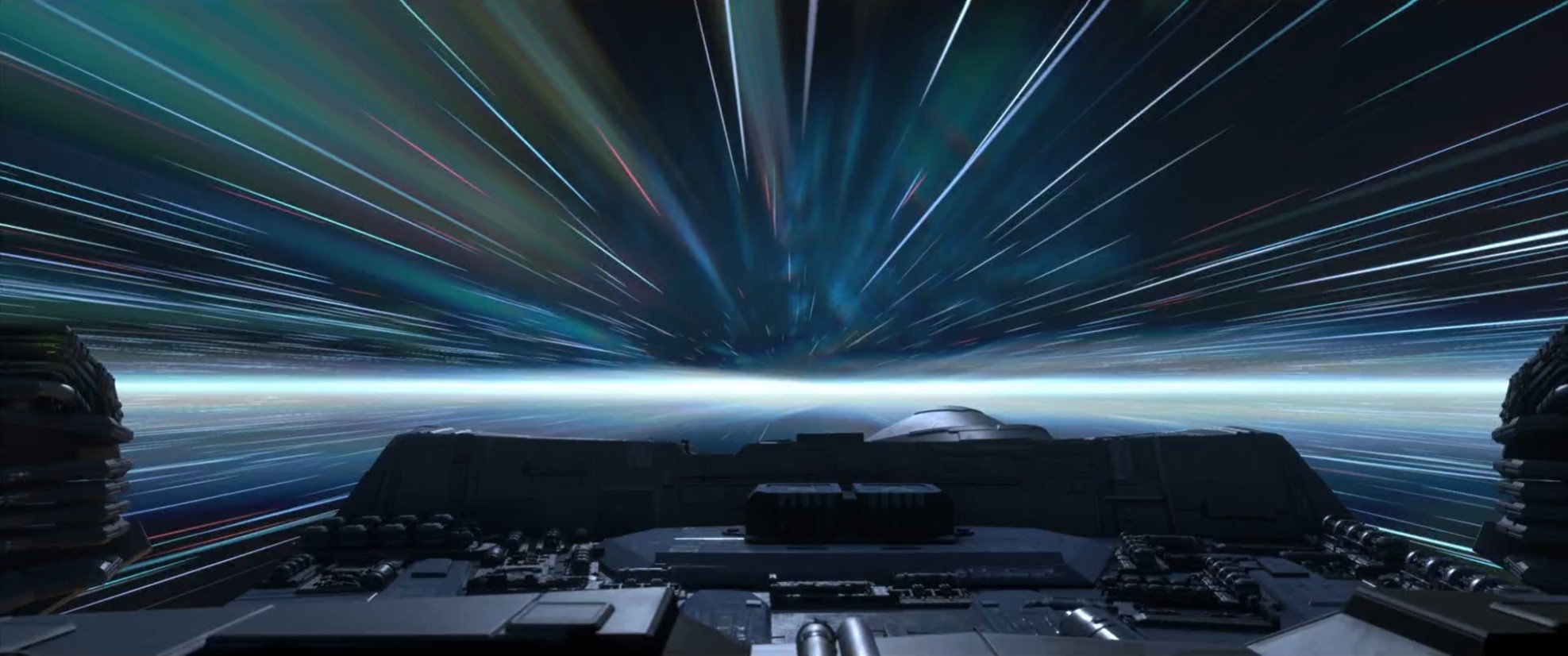
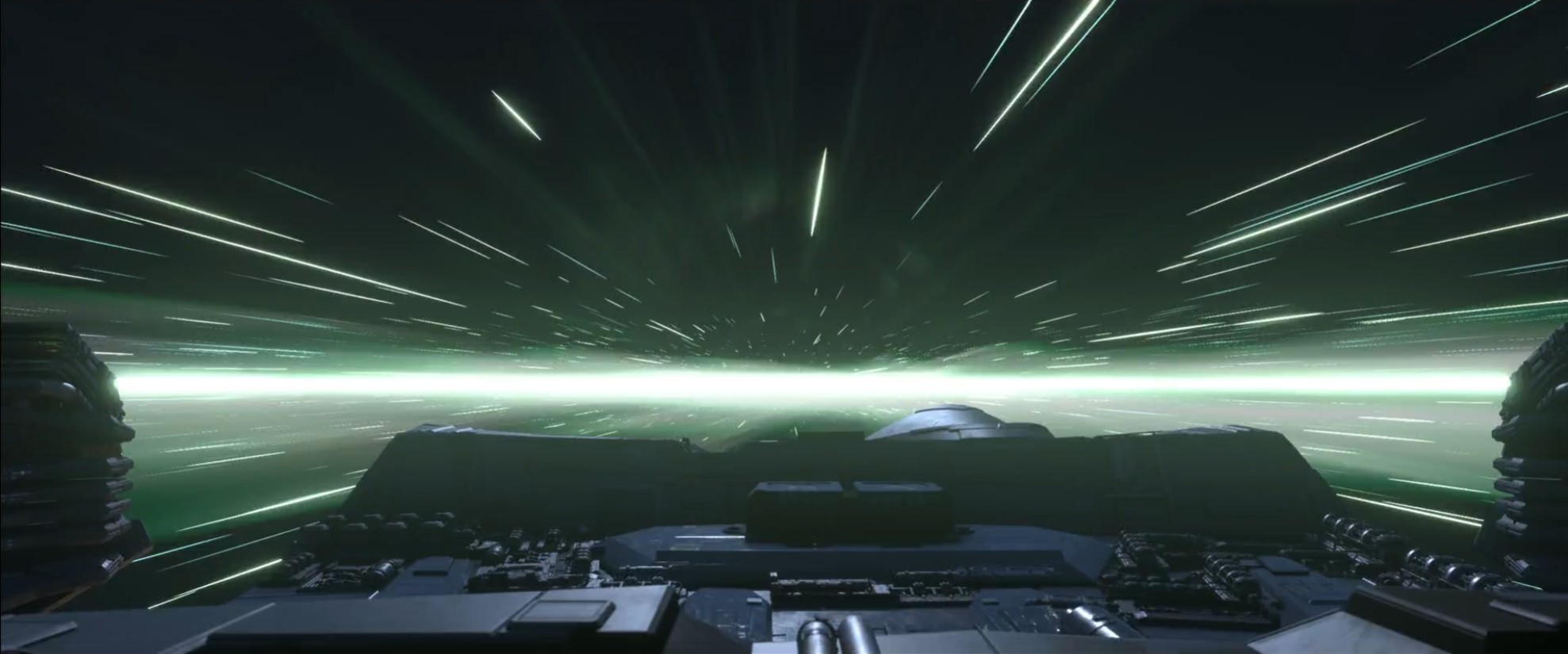
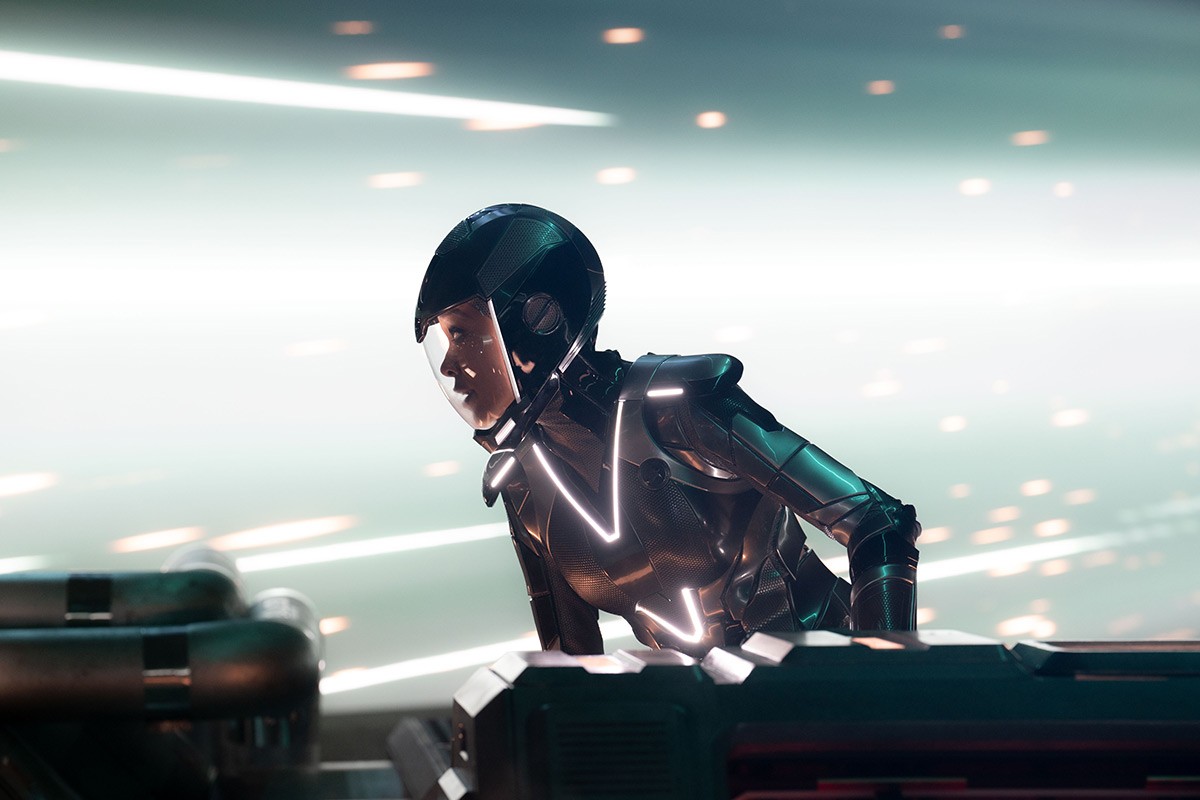
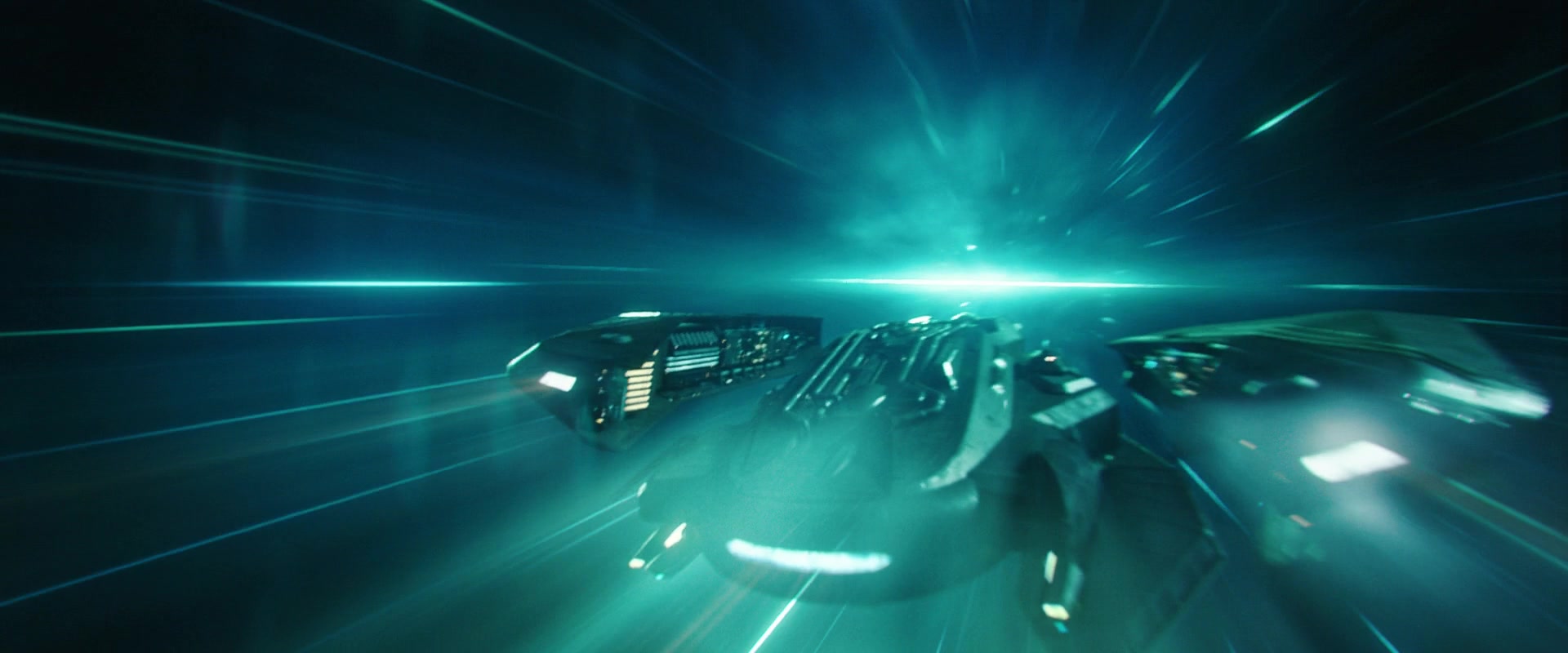
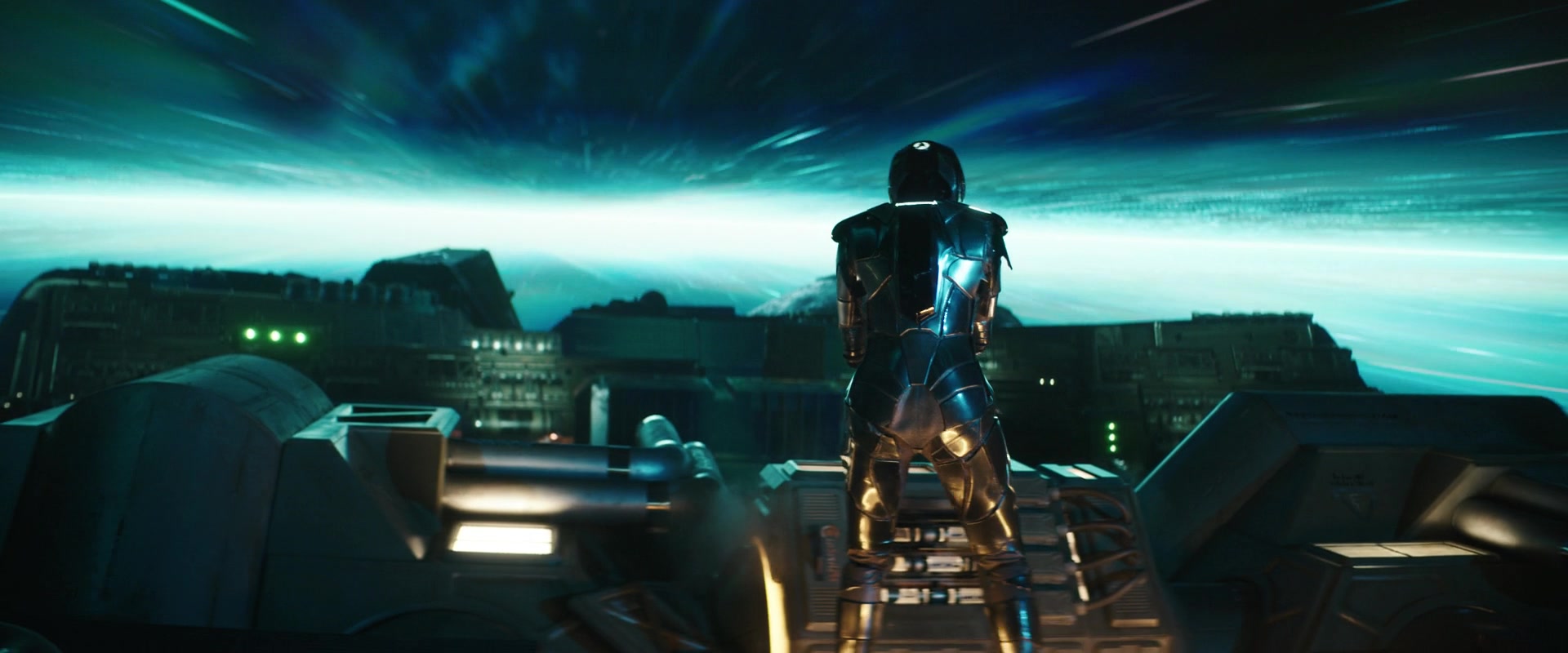
The first environment we shot featured Burnham on the exterior of Moll and L’ak’s ship, performing a repair while traveling at warp speed. The warp environment was conceived as a corridor of flowing light and energy, with vibrant streams stretching into infinity to evoke faster-than-light travel. Shifting colors, motion parallax, and subtle distortions amplified the sense of speed and danger, immersing both characters and audience in the surreal experience of working outside a starship in warp.
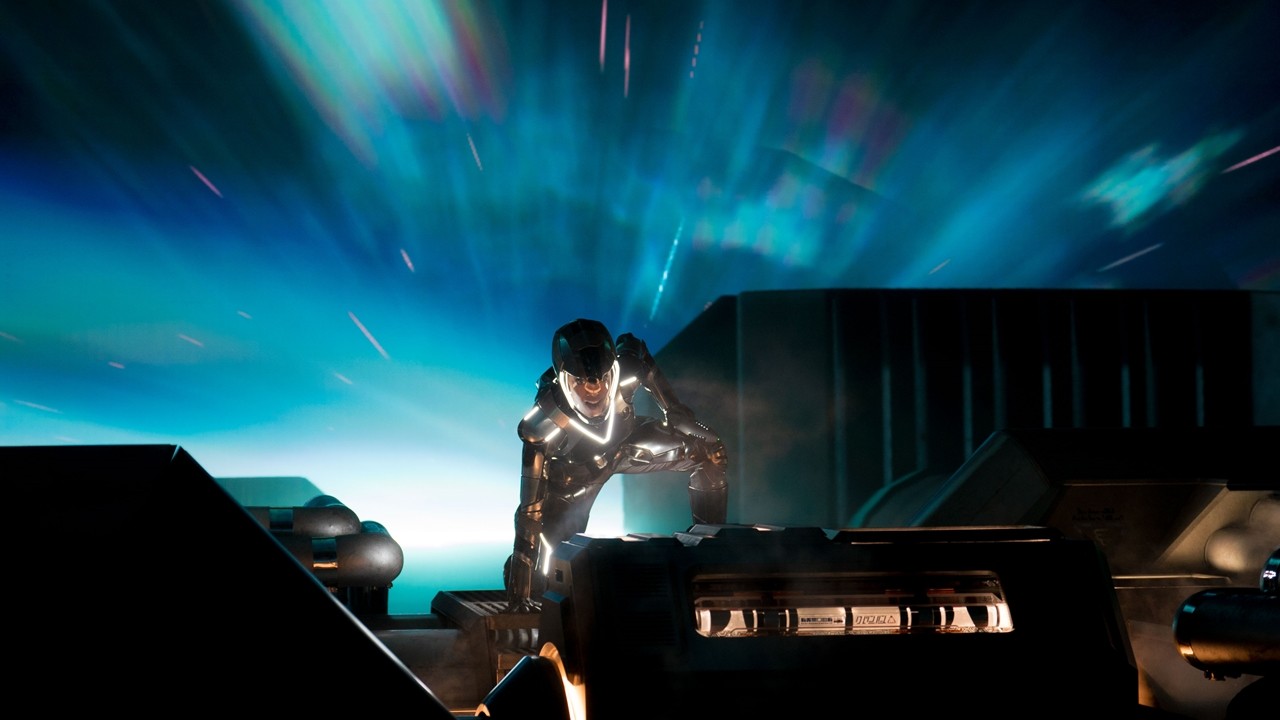
In Star Trek: Discovery Season 5, Moll and L’ak travel aboard a courier vessel that becomes central to the Federation’s pursuit of the Progenitor technology. Their ship is smaller and more utilitarian than Starfleet designs, built for speed and survival on the fringes rather than comfort. It carries a rough, almost predatory look, emphasizing the duo’s outlaw lifestyle.
One of the season’s standout sequences occurs when Captain Michael Burnham is forced to exit the Discovery at warp to repair damage on the ship’s exterior. The scene highlights both the danger of operating at such velocities and Burnham’s resolve in taking extreme risks to save her crew and complete the mission. Working against the streaming backdrop of warp space, she makes emergency fixes under near-impossible conditions, underscoring the show’s emphasis on pushing characters to the edge—both literally and figuratively.
The Warp
There were 2 distinct looks we had to setup for the sequence and we went with one blue and another greenish.
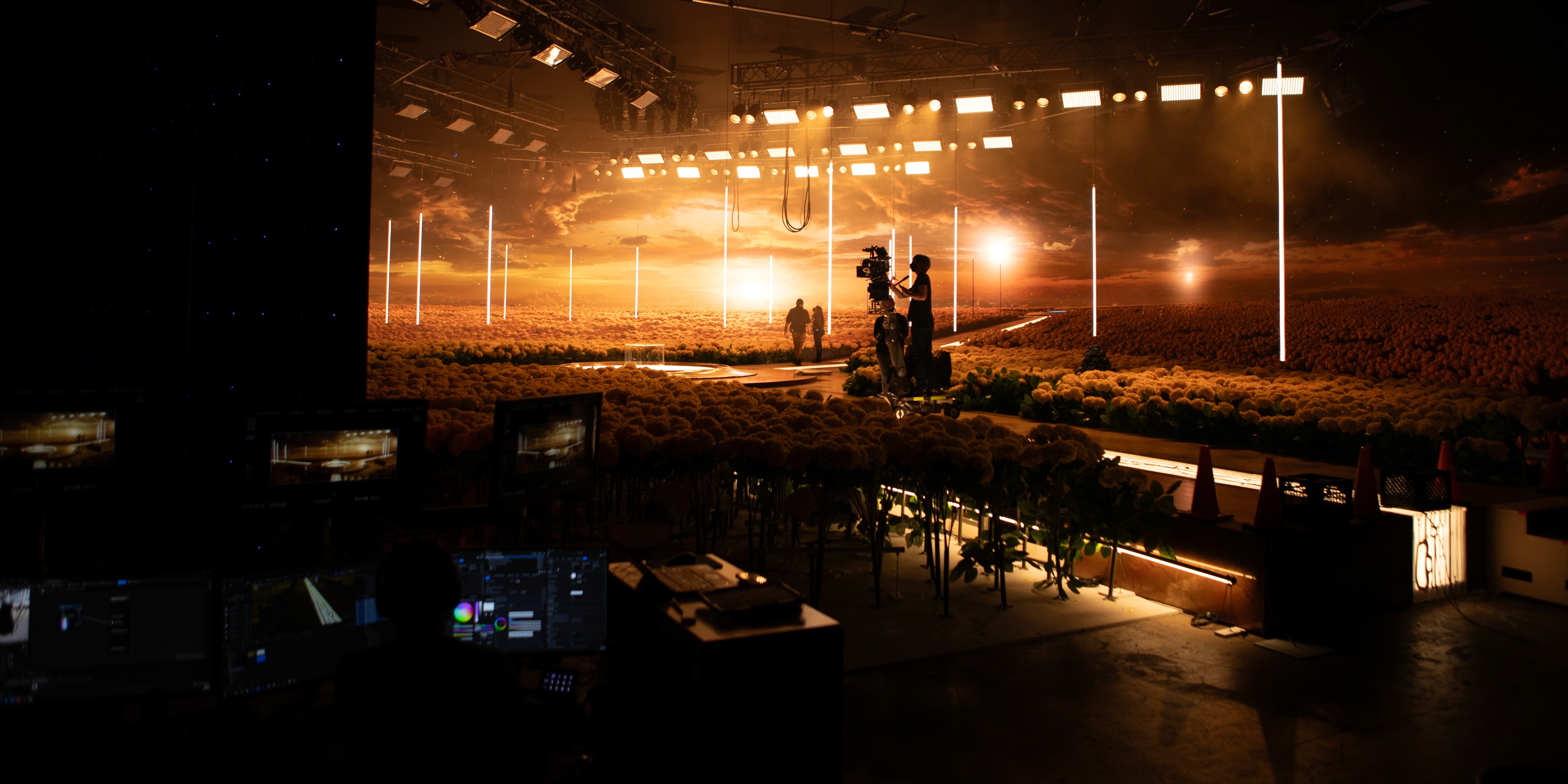
For this sequence, virtual production was critical in bringing the warp environment to life. Instead of relying solely on green screen and post-VFX, the team built a dynamic real-time warp backdrop on the LED volume, enveloping the performer in shimmering streams of faster-than-light travel. This approach captured authentic reflections, interactive lighting, and motion parallax directly in camera, while giving Burnham a tangible visual reference to play against. The result was a heightened sense of danger and immersion, with the warp effect fully integrated into the performance—delivering near-final shots on the day of filming and greatly reducing post-production time.
In-Camera Finals were possible with the usage of Virtual Production
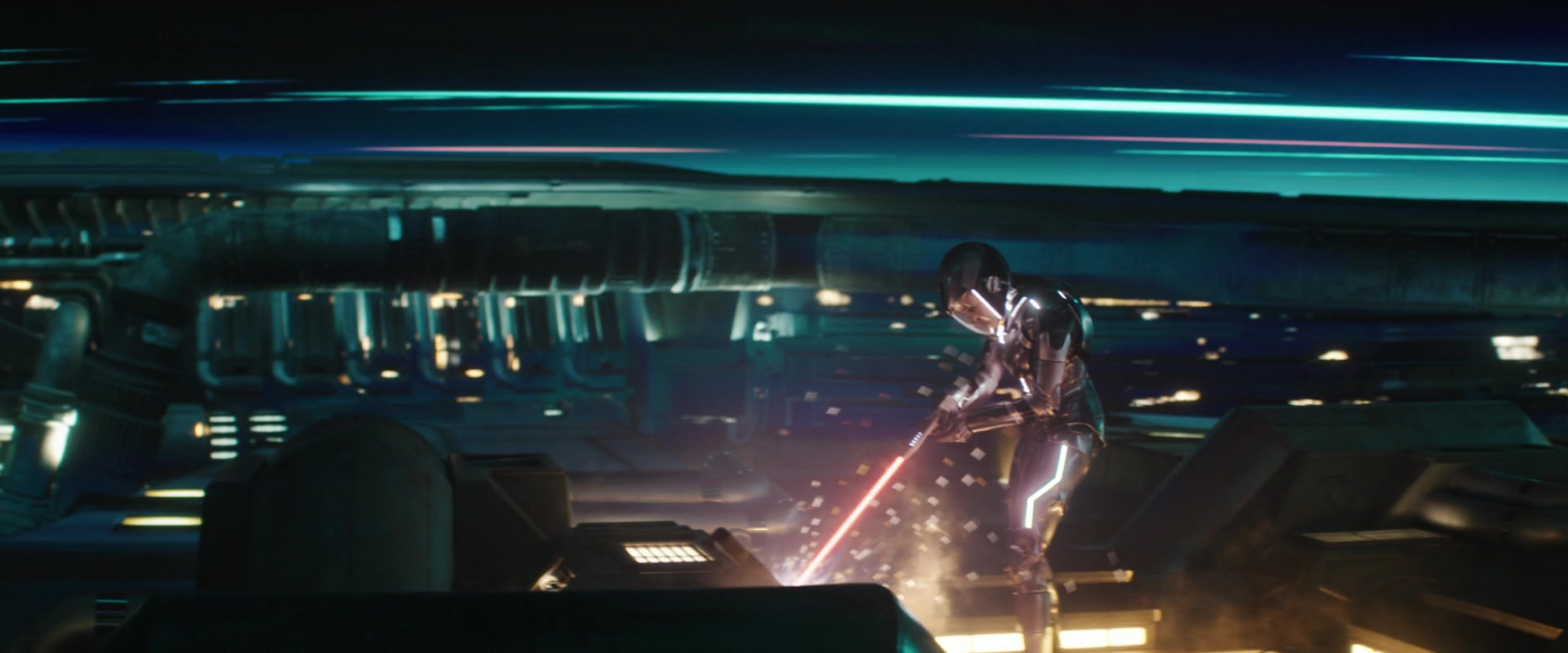
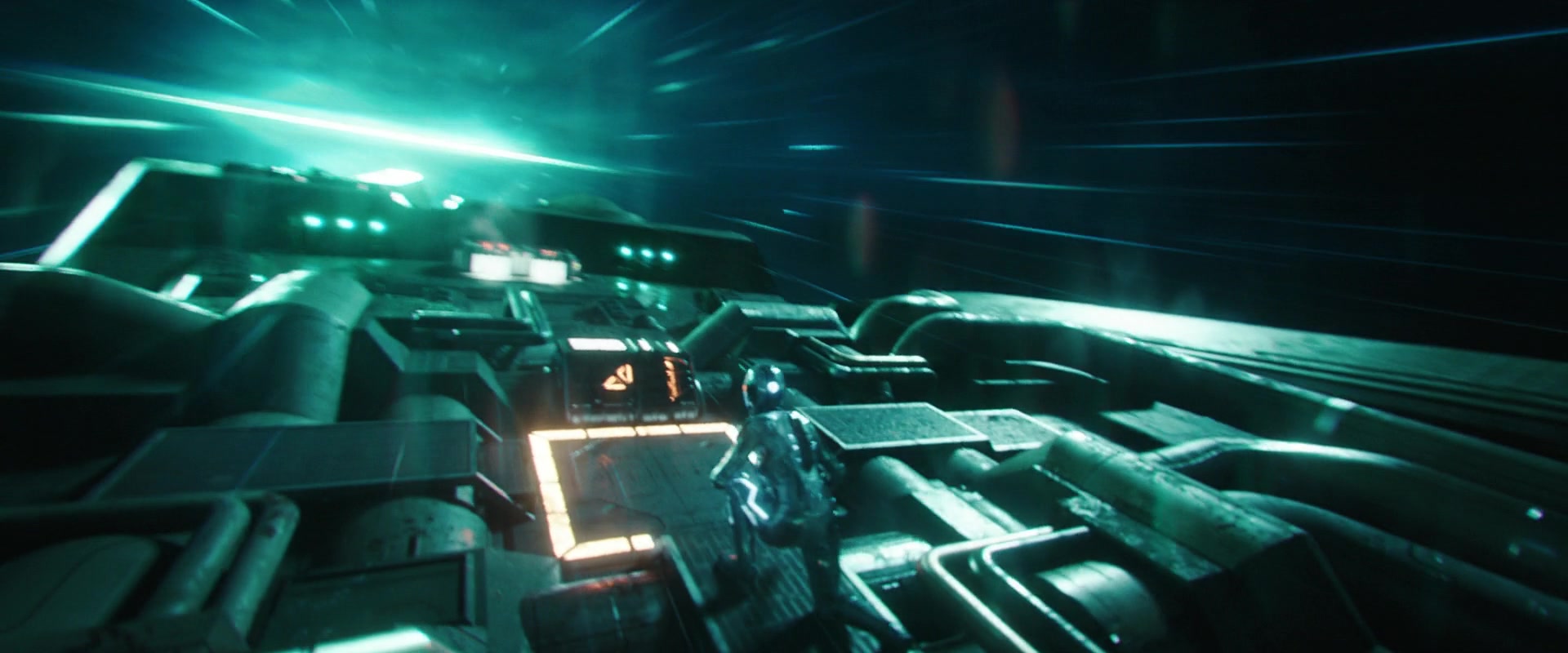

VAD Real-Time Environment WIP
Qmau Desert Camp
クマウ砂漠集落
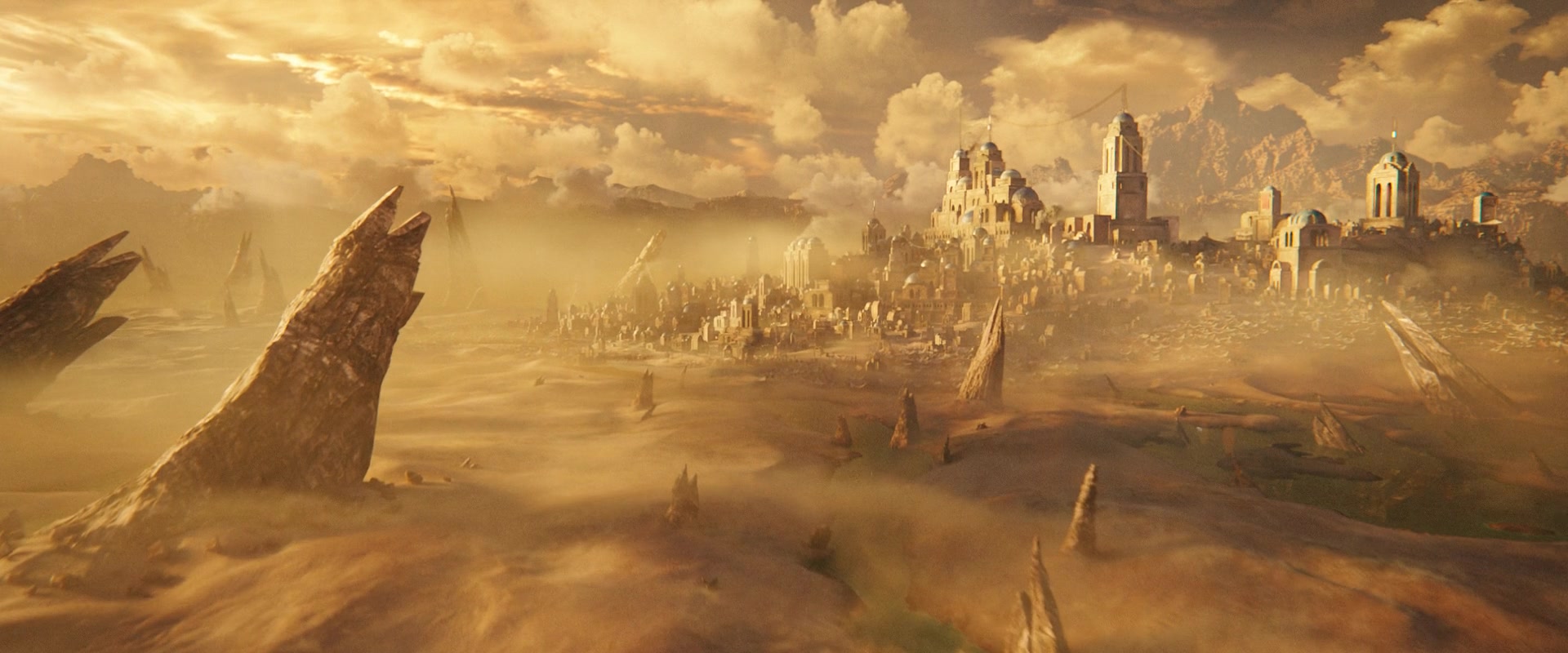
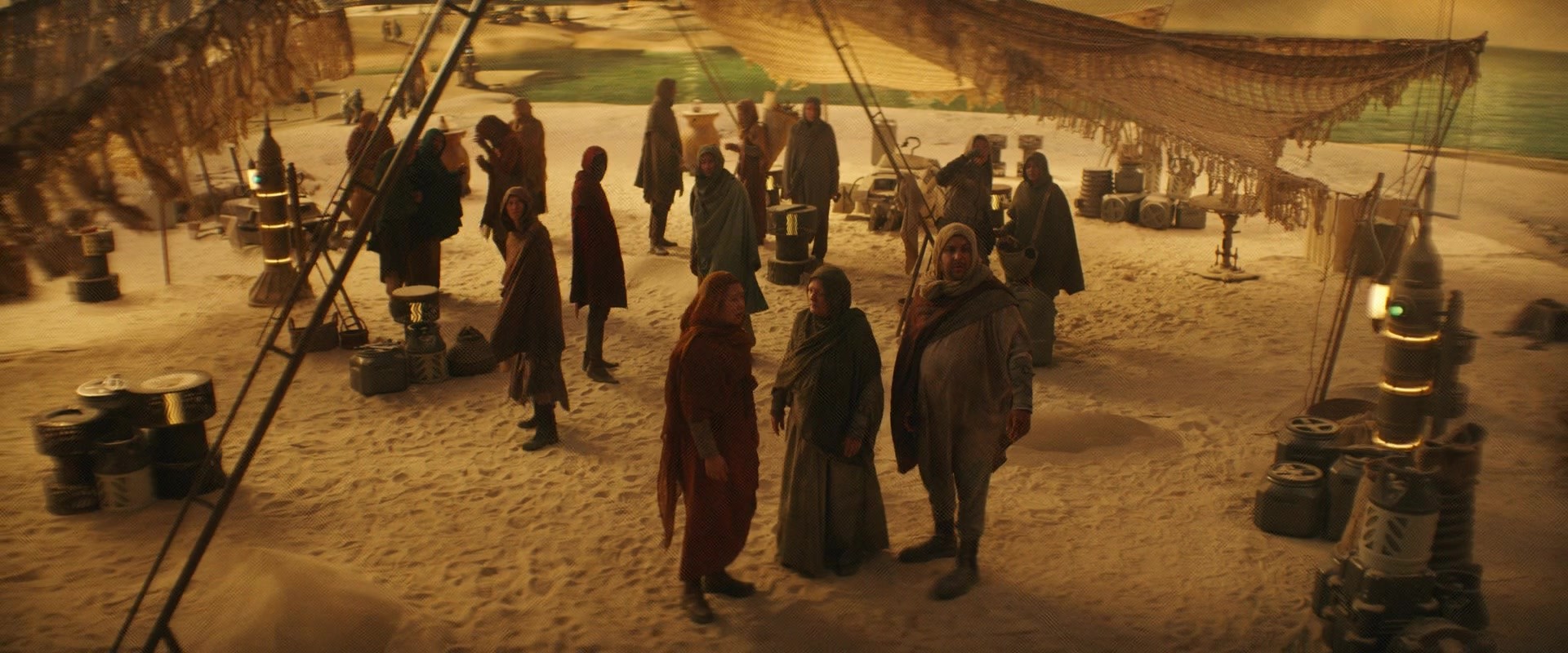
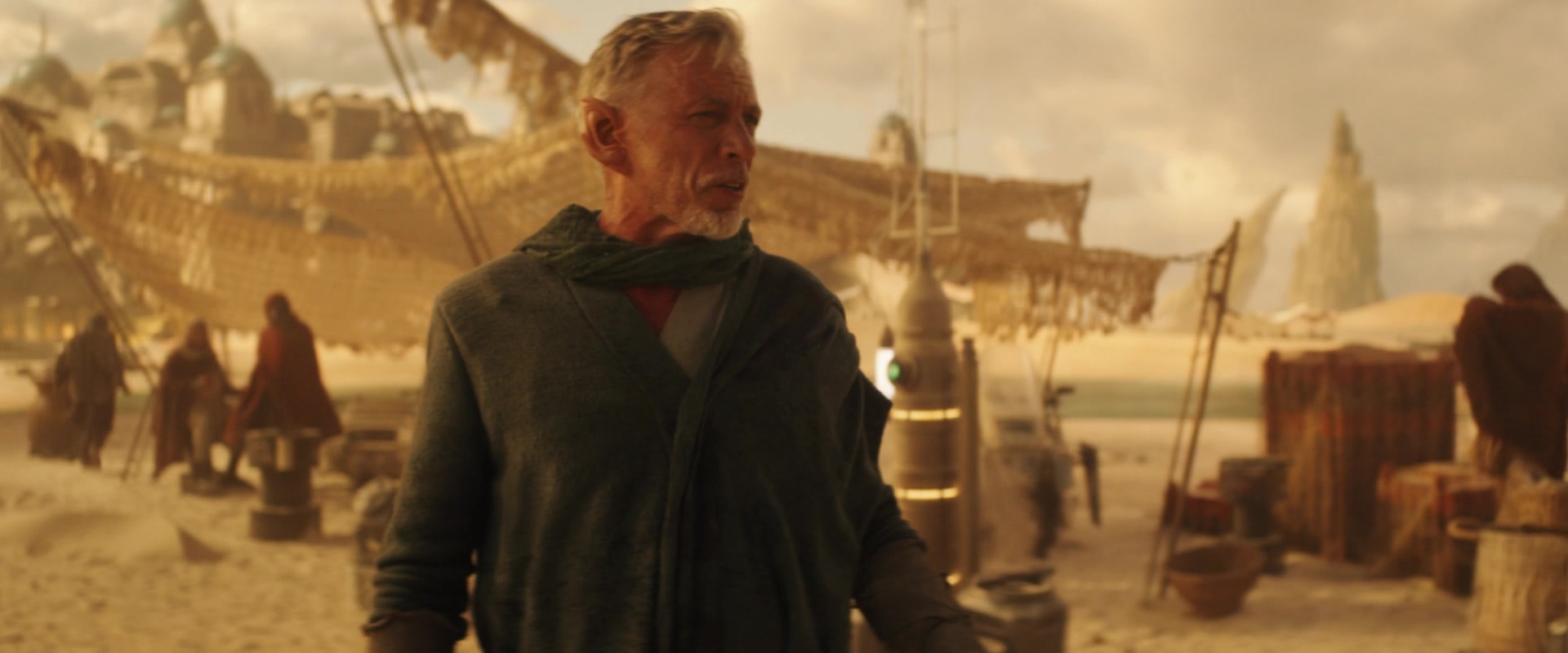
The Q’mau Desert Settlement in Star Trek: Discovery Season 5 was envisioned as a remote frontier outpost set against harsh desert terrain. Virtual production brought it to life with expansive dune backdrops, shifting skies, and atmospheric effects projected on the LED volume, capturing cinematic scale, natural lighting, and dust-filled realism while avoiding the challenges of on-location shooting.
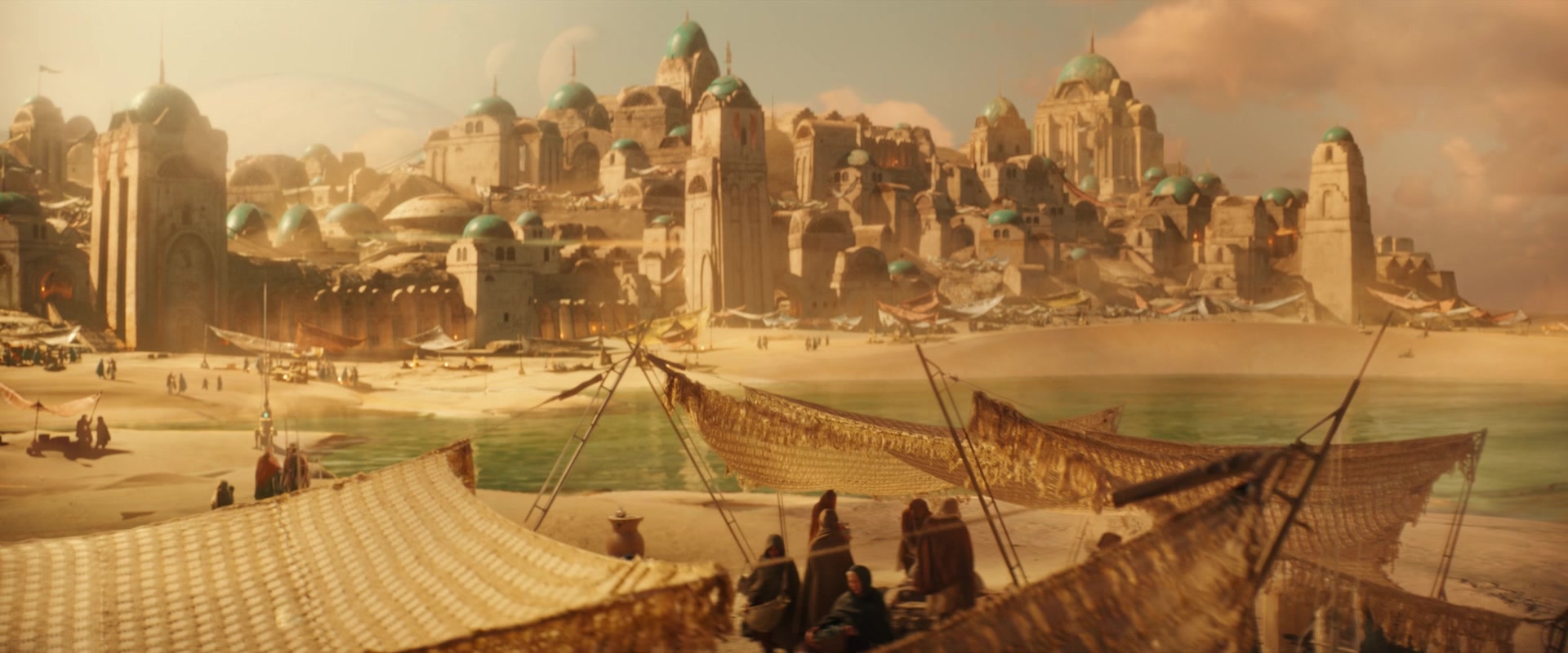
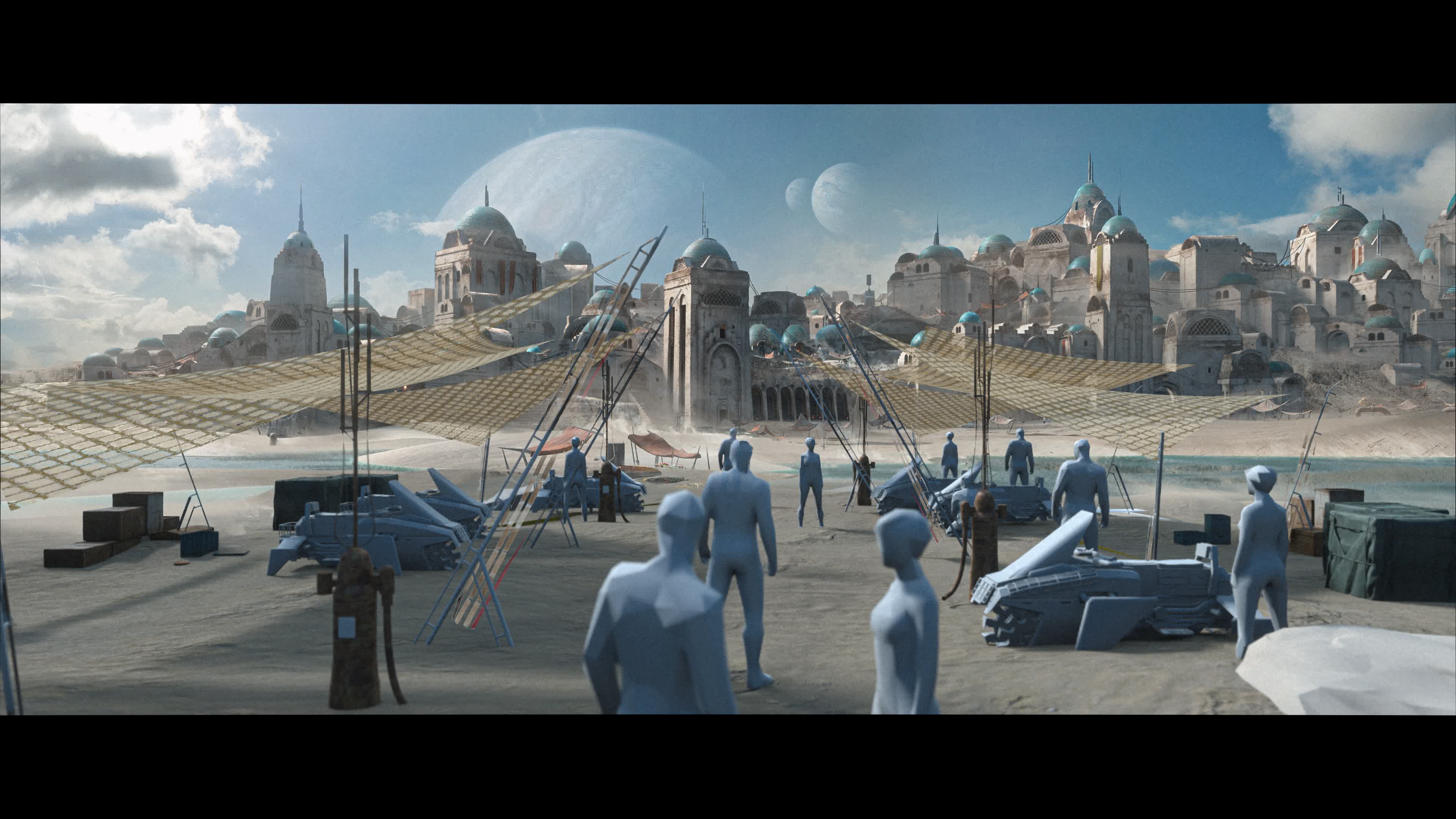
In Star Trek: Discovery Season 5, the Q’mau Desert Settlement stands out as one of the more grounded yet visually striking locations. From a lore perspective, it is presented as a remote outpost within a harsh desert landscape, where survival is difficult and resources are scarce. Its dusty architecture and sun-baked vistas emphasize a frontier quality of life away from the stability of Federation worlds, while serving as the backdrop for key story interactions.
From a virtual production standpoint, the settlement was an ideal candidate for the LED volume. Expansive dune backdrops, blazing skies, and shifting atmospheric effects were projected in real time, capturing wide, cinematic desert environments without the need for location shooting. Dynamic lighting—sun glare, heat shimmer, drifting dust—interacted naturally with the practical set pieces and costumes. This grounded the actors in the environment and allowed the crew to revisit the settlement across multiple scenes and episodes, ensuring visual continuity while significantly reducing the cost and complexity of desert filming.
Our team designed the environment with modularity in mind, constructing the settlement from a limited number of unique parts mixed and matched to create variety within a consistent theme. This approach allowed us to build a vast and detailed environment that felt rich and believable while staying highly performant. The same modular technique was applied not only to the buildings, but also to the surrounding mountains and rock spires.
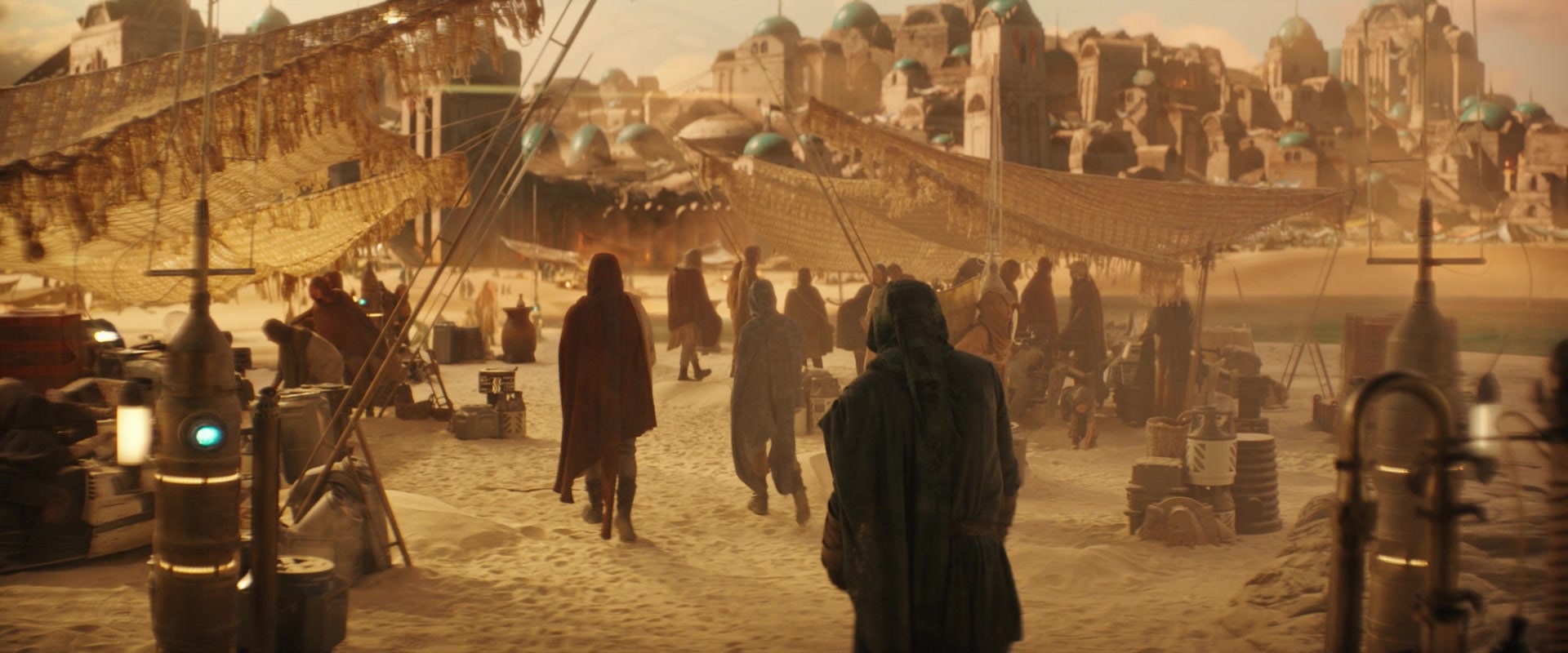
In-Camera Finals were possible with the usage of Virtual Production/
There was a massive colour adjustment to make everything feel more "desert like".
Sand Runner
サンドランナー
In Star Trek: Discovery Season 5, the Sandrunner sequence delivers one of the show’s most kinetic desert action moments. The Sandrunner—an alien creature adapted to the arid environment—erupts from beneath the dunes, creating a sudden sense of peril for Burnham and the crew as they navigate the Q’mau desert. The chase across shifting sands highlights the harshness of the planet and the unpredictability of survival on its surface, tying directly into the season’s theme of confronting the unknown.
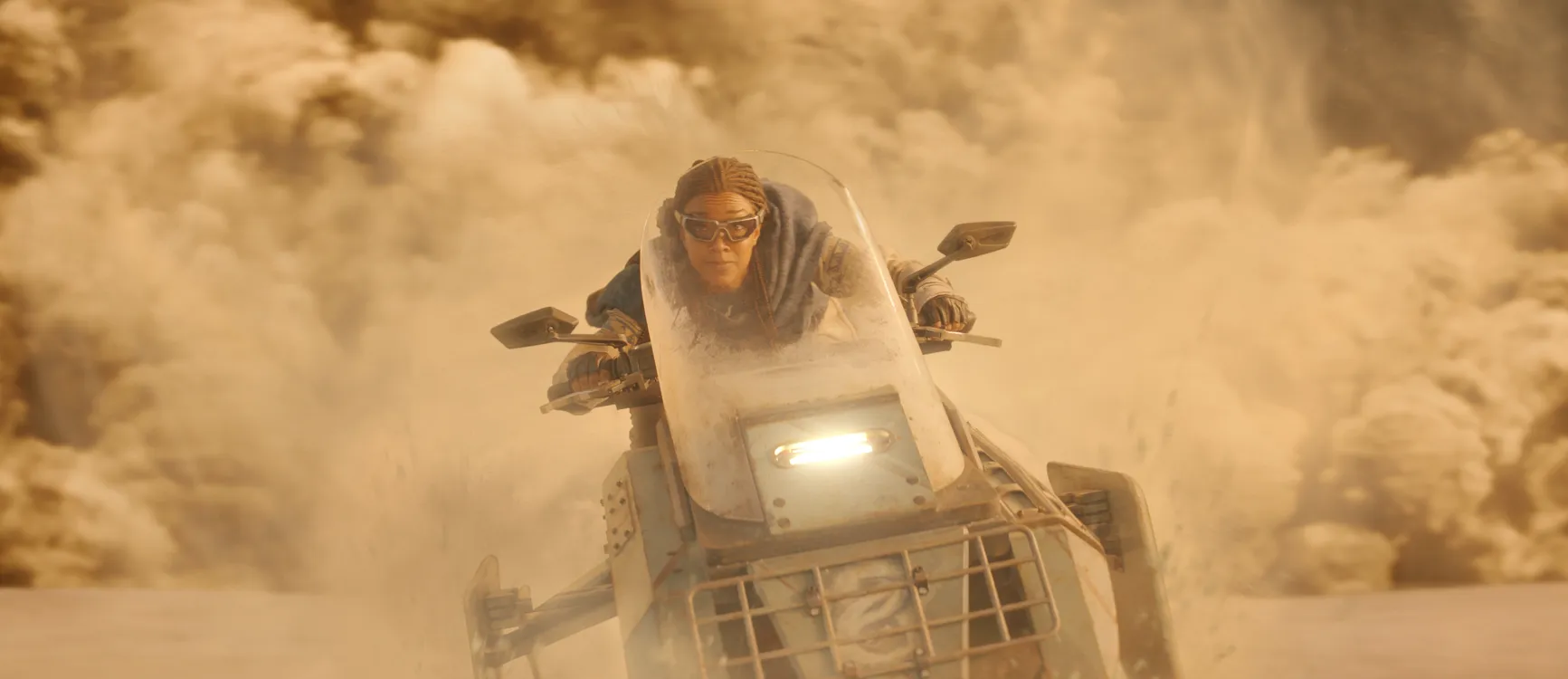
The Sandrunner sequence was a showcase for how the LED volume can merge practical and digital elements into one seamless environment.
Expansive desert skies and rolling dunes were rendered in real time, providing interactive lighting and reflections across costumes, props, and sand set pieces.
The volume gave actors a dynamic and reactive environment to play against, while atmospheric passes like blowing sand, heat shimmer, and dust storms were integrated in-camera.
This approach allowed the team to shoot an effects-heavy chase sequence quickly and safely, while delivering footage that already looked close to final on the day of production.
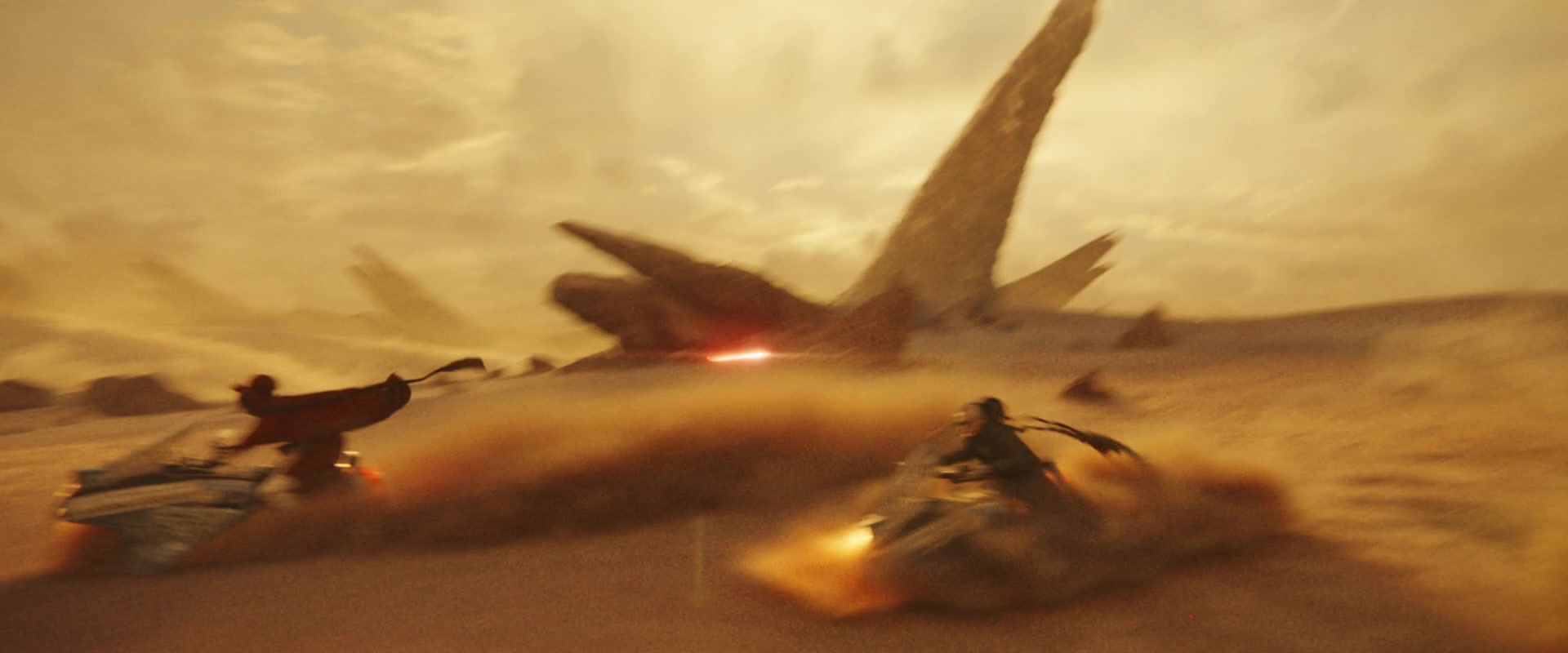
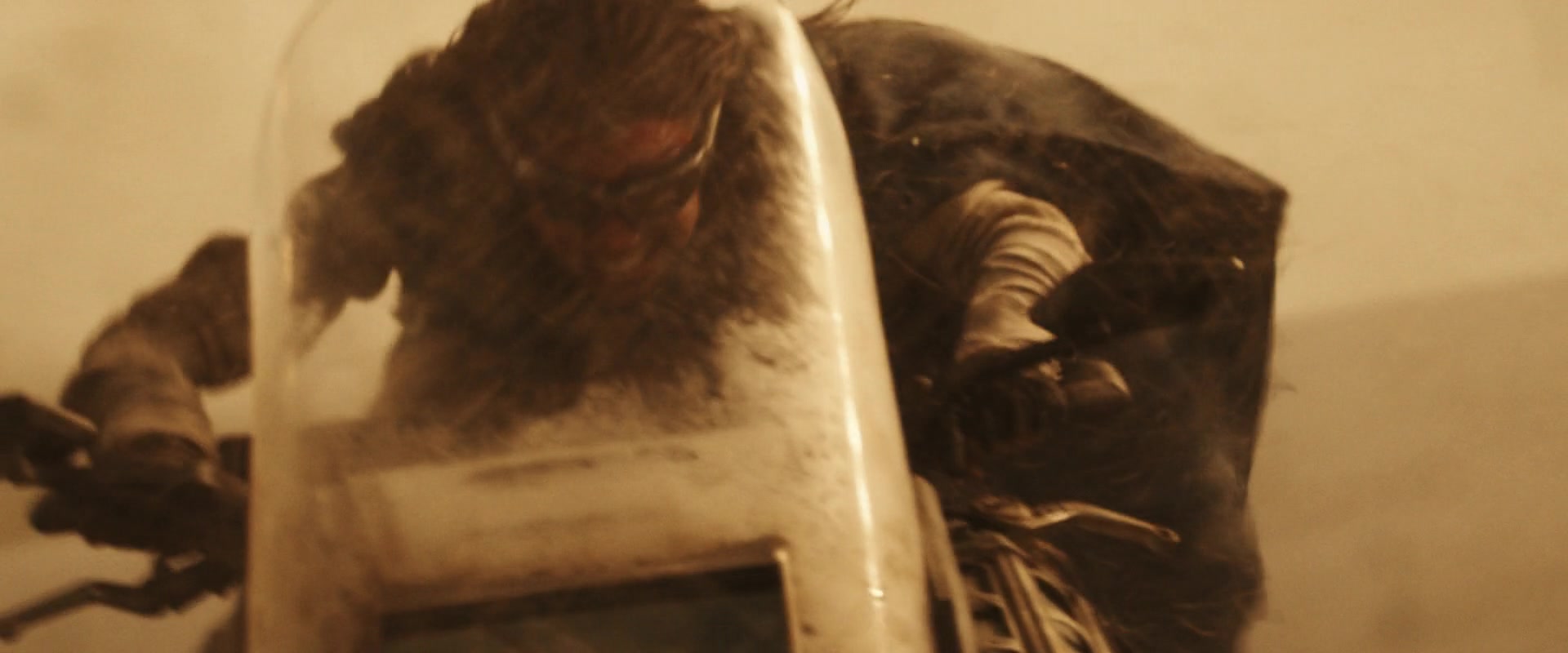
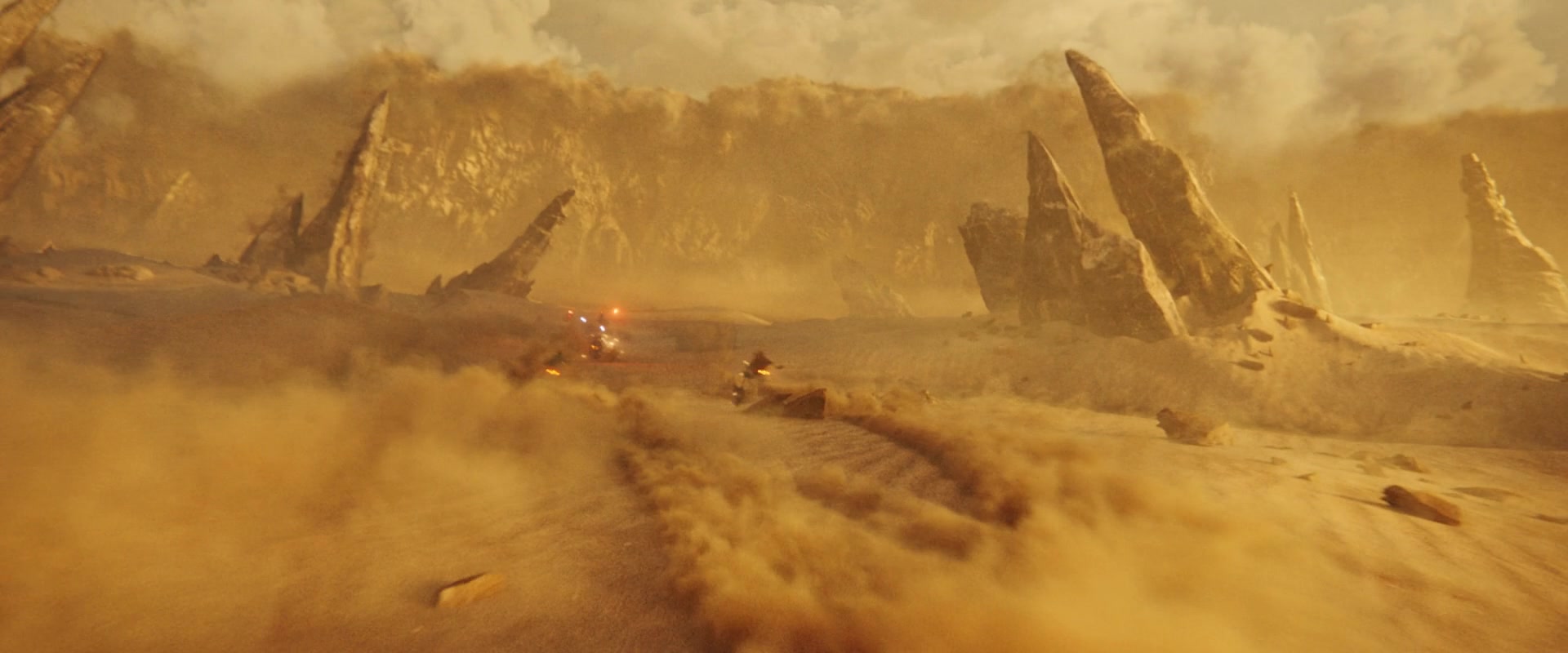
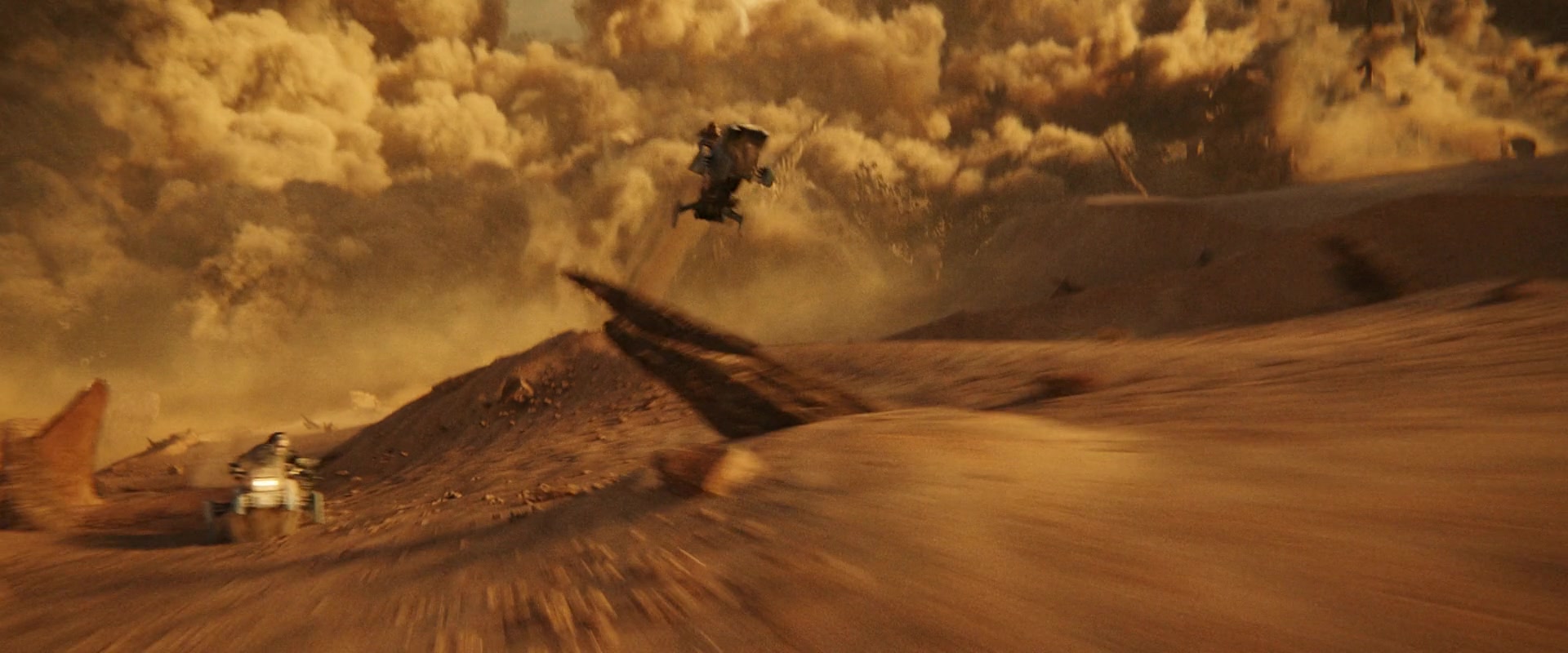
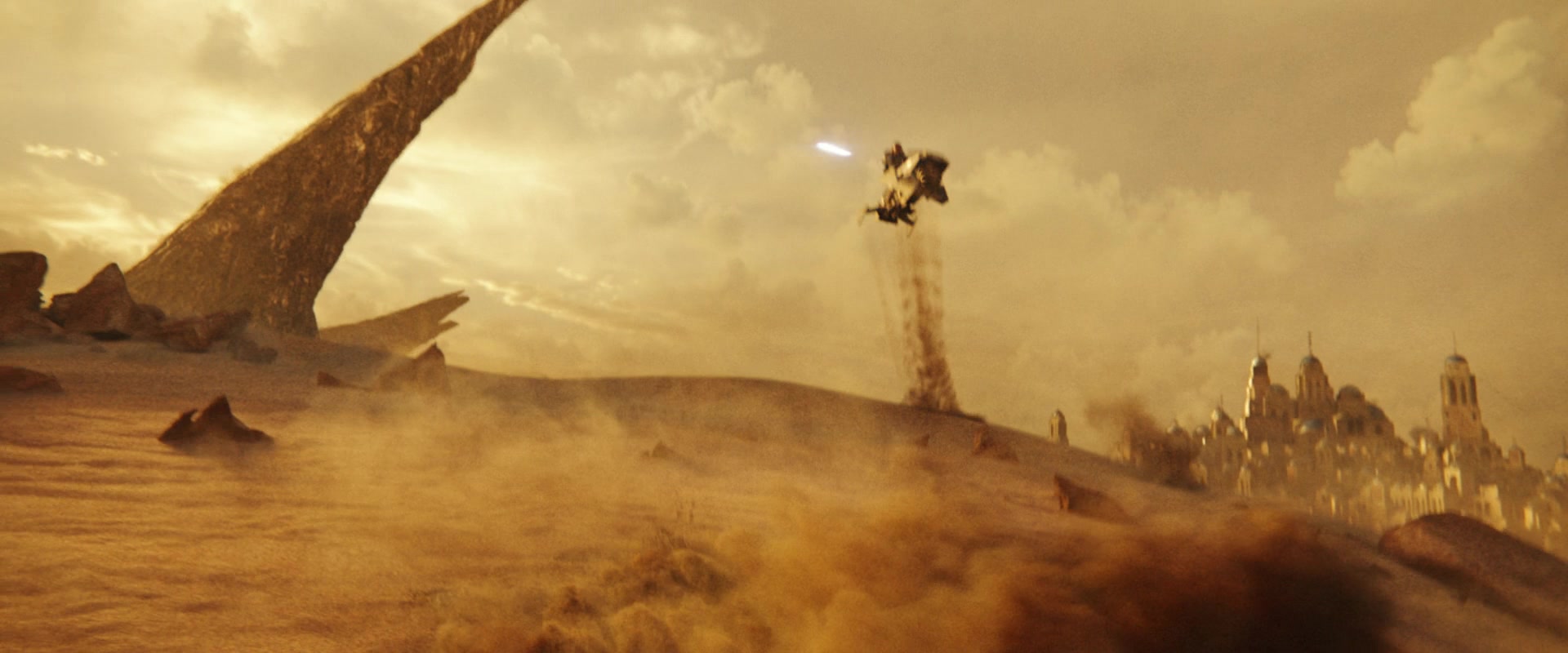
In-Camera Finals were possible with the usage of Virtual Production, while traditional VFX playing a huge role in the wide establisher moments.
Both techniques were pivatol and used in combination to make the stunning sequence.
The Trill Caves
トリル洞窟
Ni'Var, formerly Vulcan, was an inhabited M-class planet in the Vulcan system of the Alpha Quadrant. Though the planet had no moons, it did form a binary pair with T'Khut and was considered its sister planet.. It was the homeworld of the Vulcans, a warp-capable humanoid species.
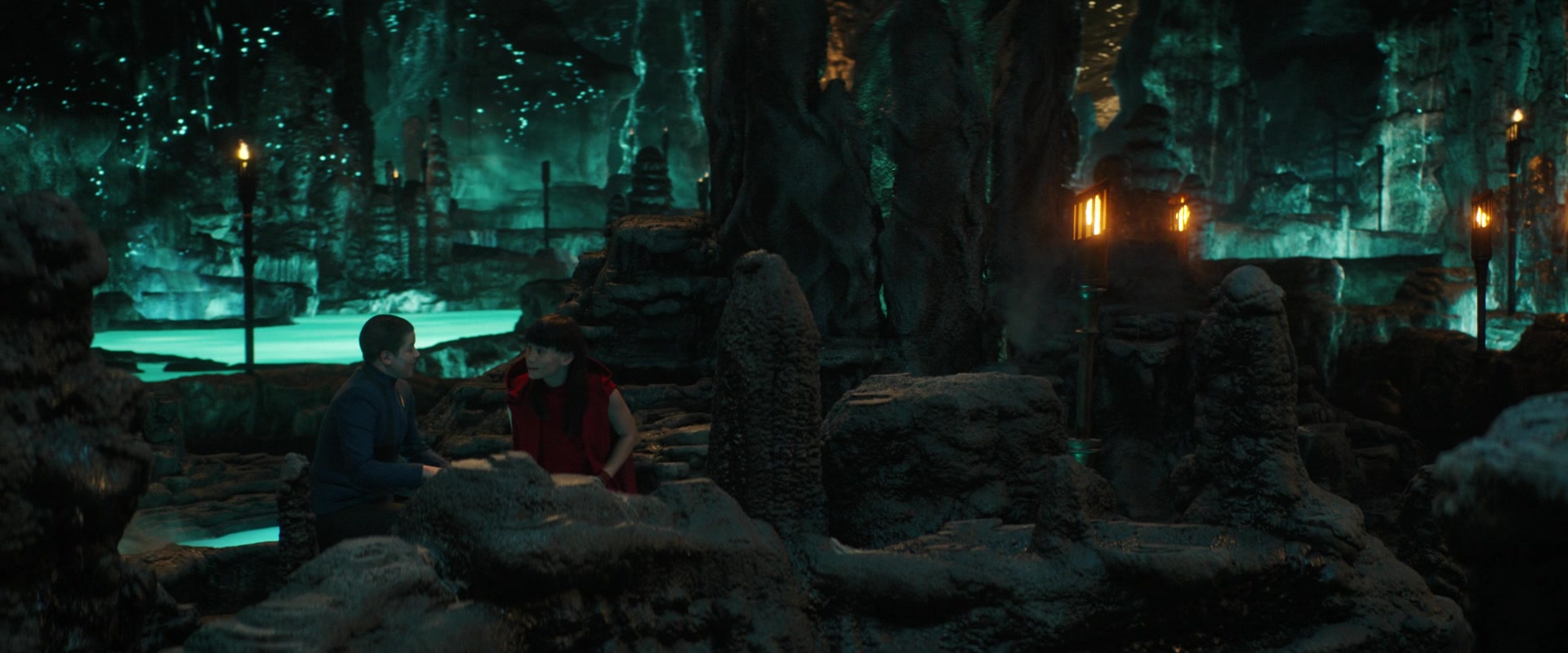
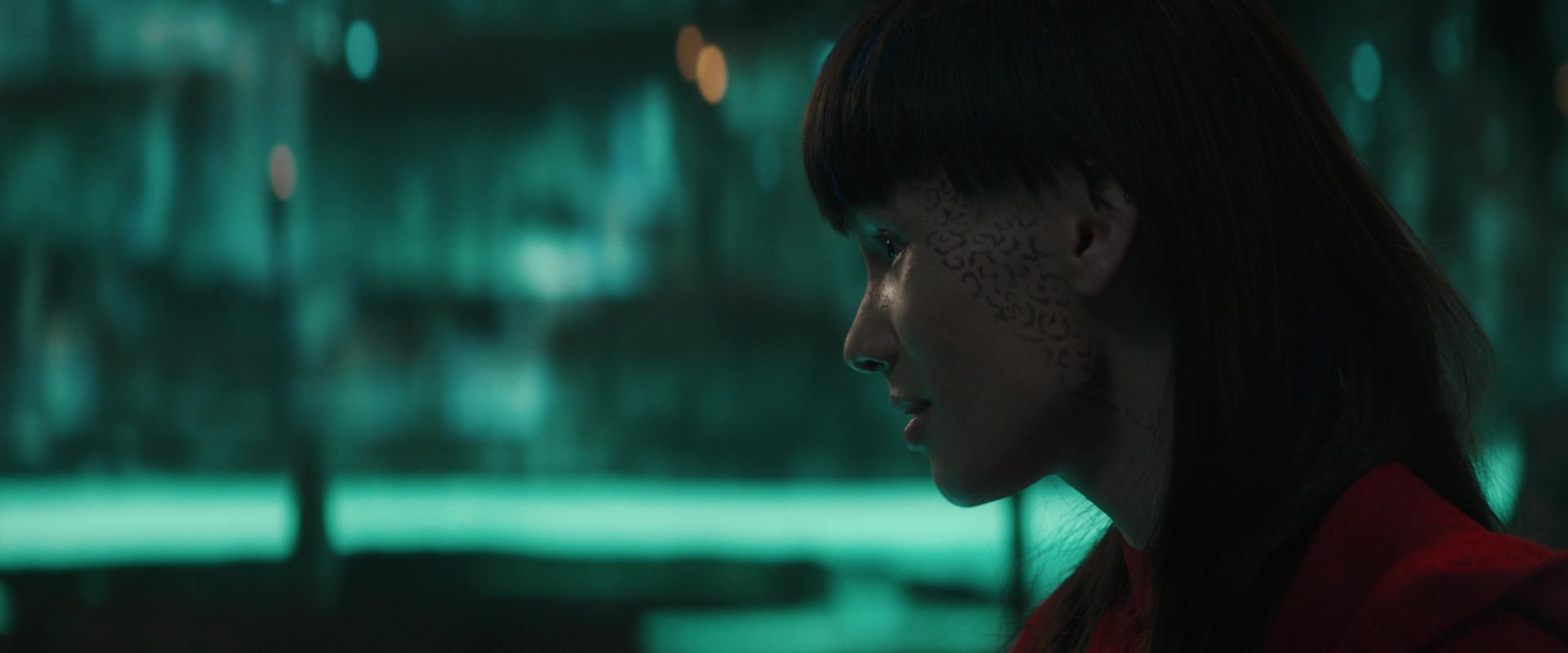
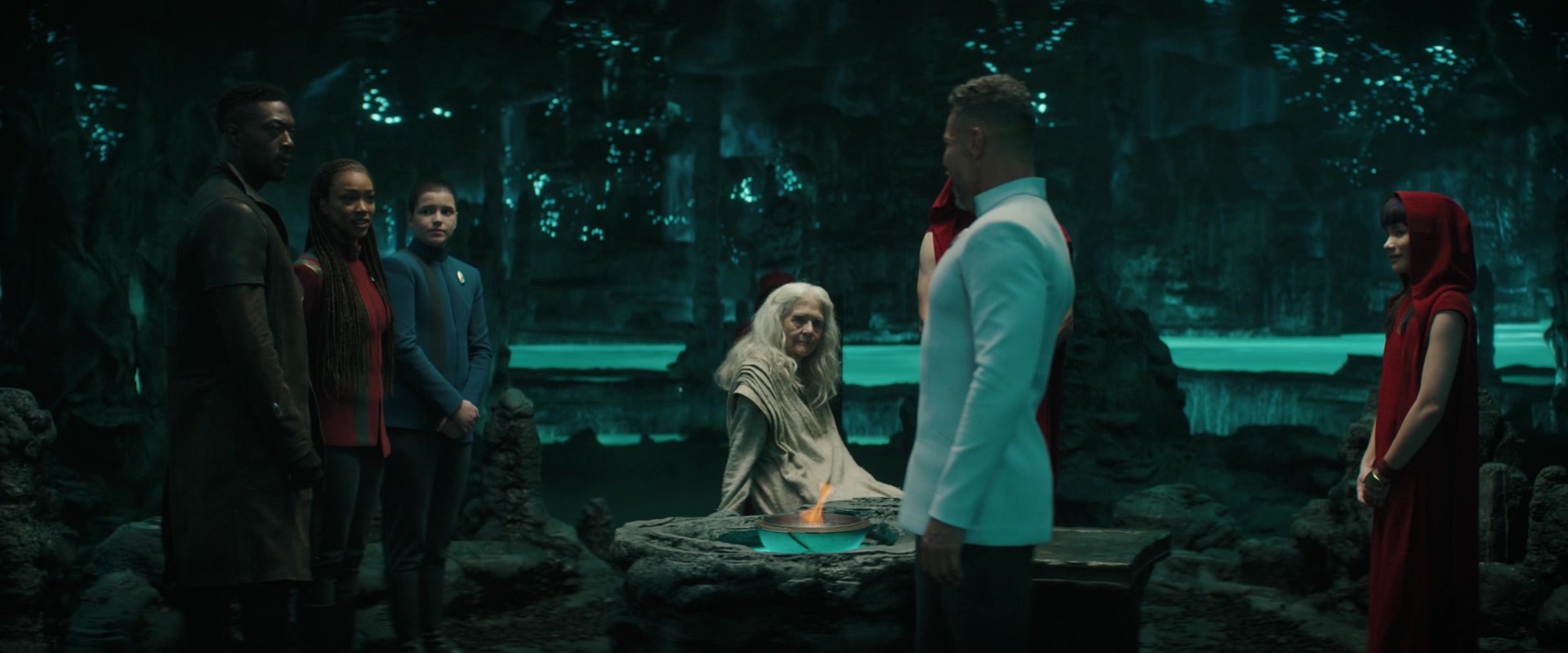
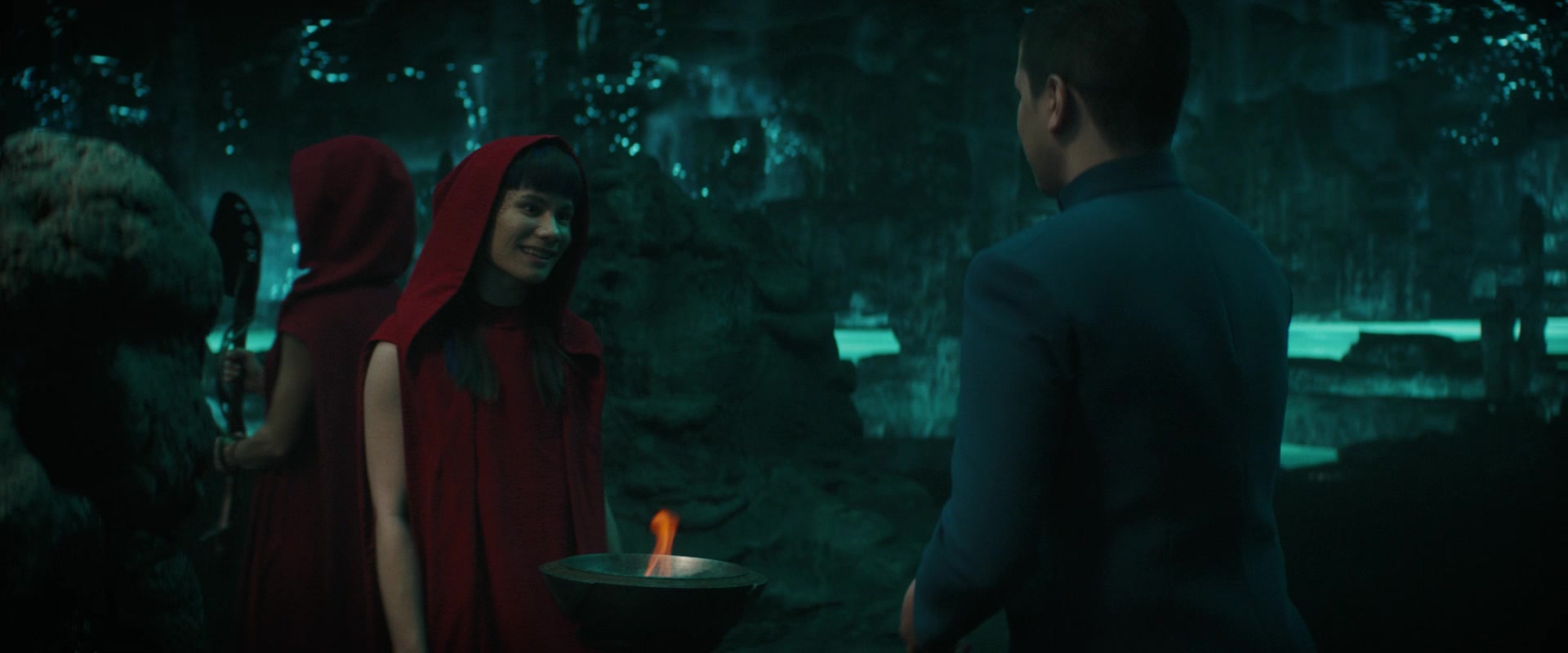
The Trill cave environment serves as a spiritually charged setting that connects deeply to Trill culture and the symbiont legacy. Carved into the subterranean rock, the cave embodies a sense of ancient reverence, with bioluminescent details and organic textures evoking the Trill’s bond between host and symbiont. Its design reflects both mystery and serenity, providing a backdrop for moments of introspection, ritual, and the passing of knowledge.
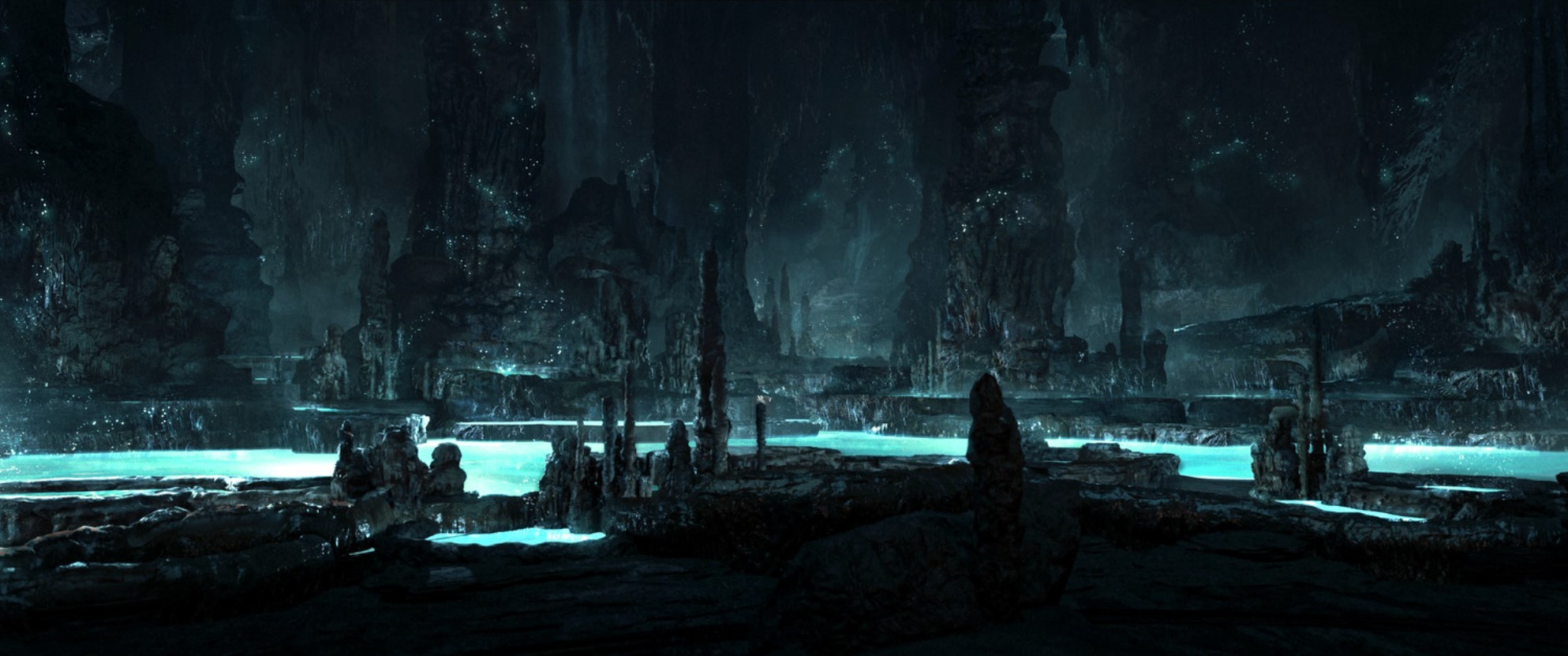
Key Art to the Main Cave Direction
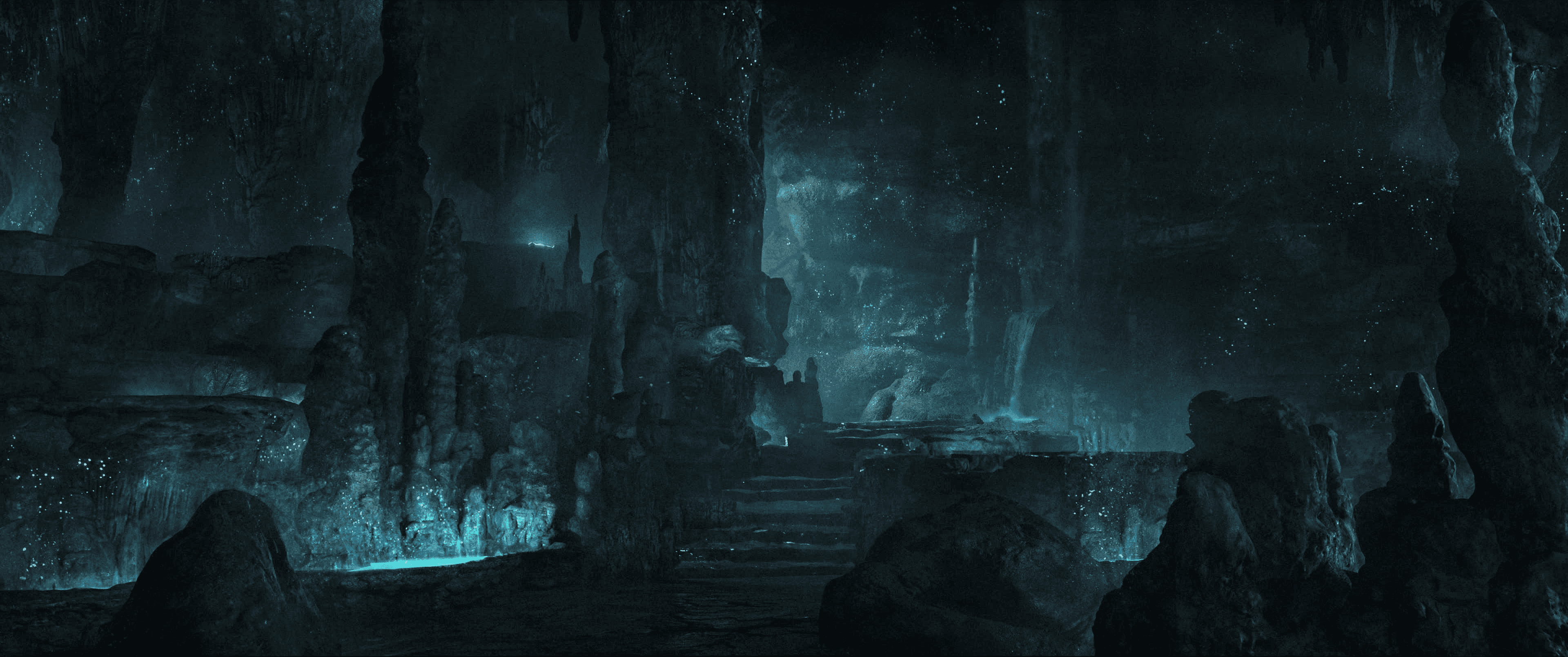
Opposite direction Key Art and a path leading to another chamber where the characters enter from.
The cave was built as a layered, controllable environment inside the LED volume. Real-time rendering projected the stone walls, glowing pools, and ambient light sources, allowing the team to control subtle shifts in atmosphere—like damp reflections, mist, or the intensity of bioluminescent glows—in camera. This setup not only grounded the actors in a tactile and believable space but also allowed the creative team to revisit the location multiple times across the season without the complexity of constructing a massive practical cave set. The result was an environment that felt both immersive and intimate, while remaining flexible for storytelling needs.
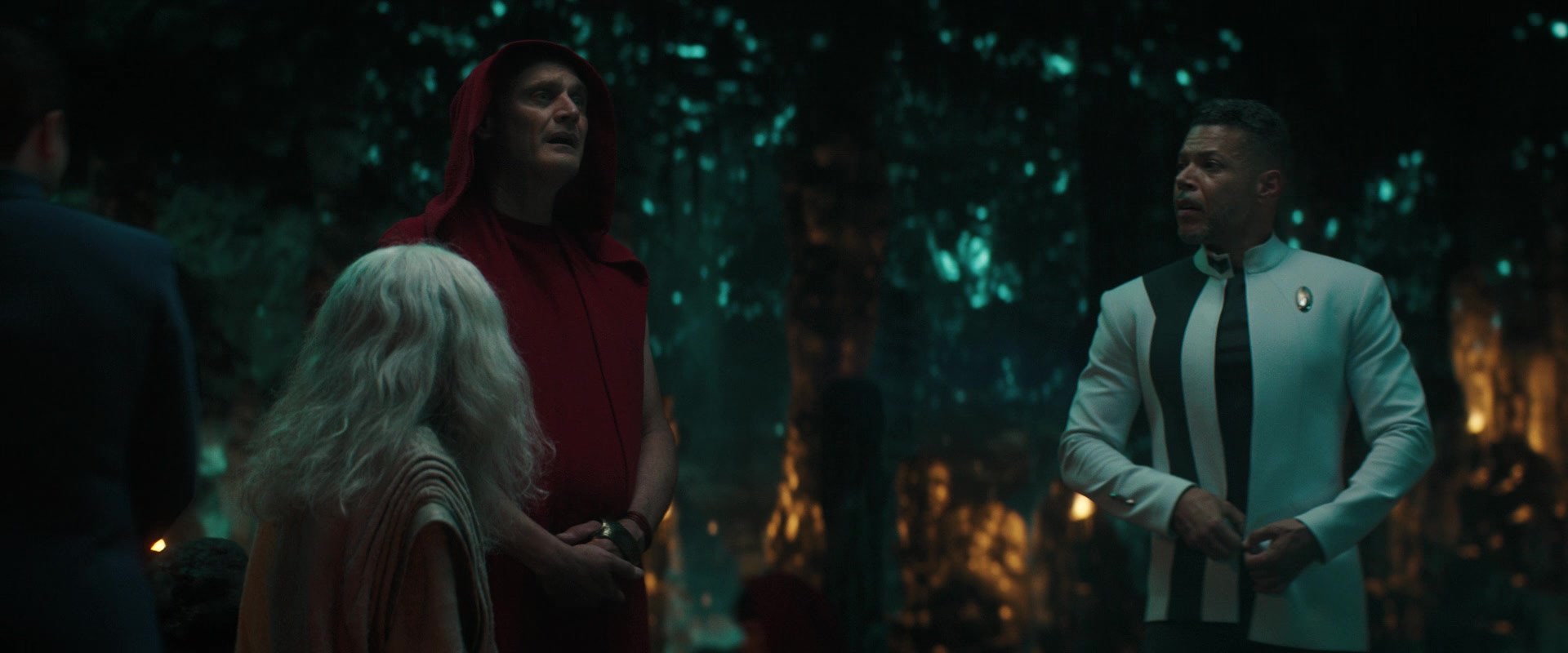
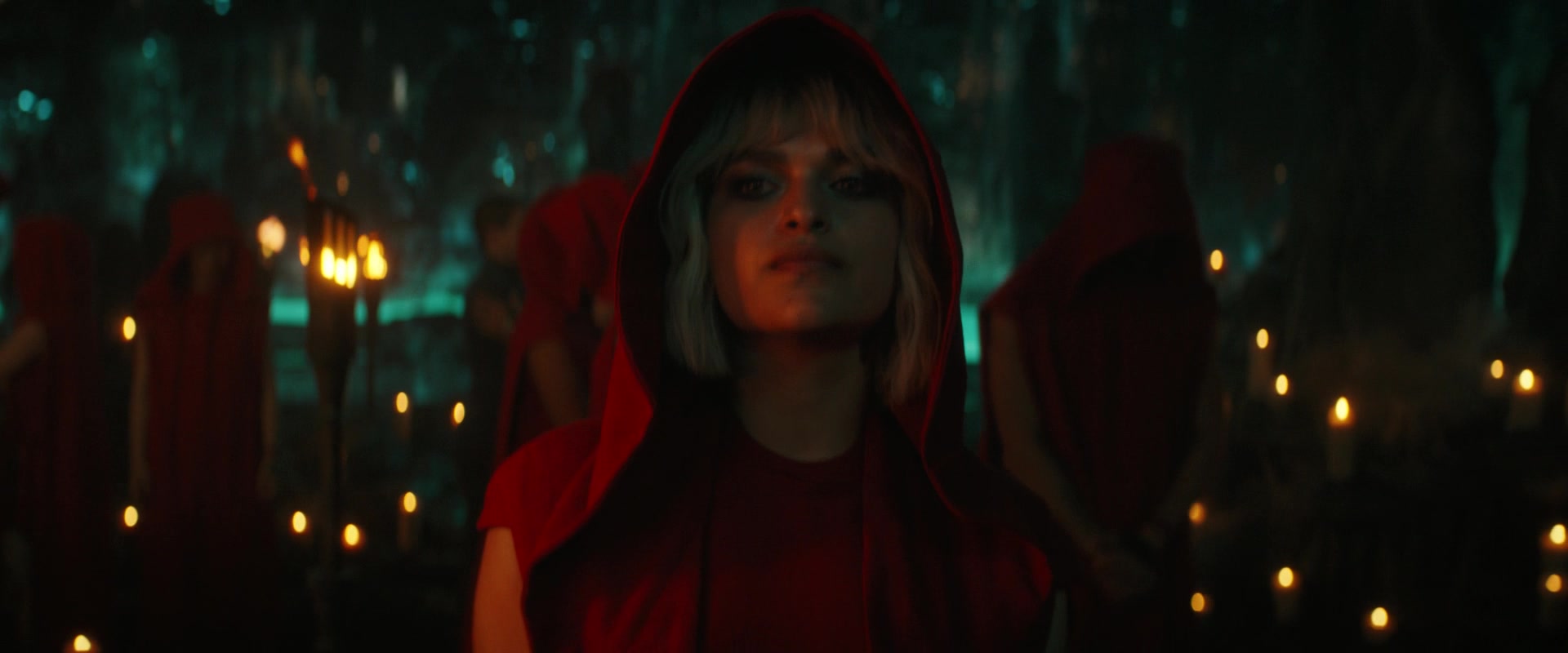
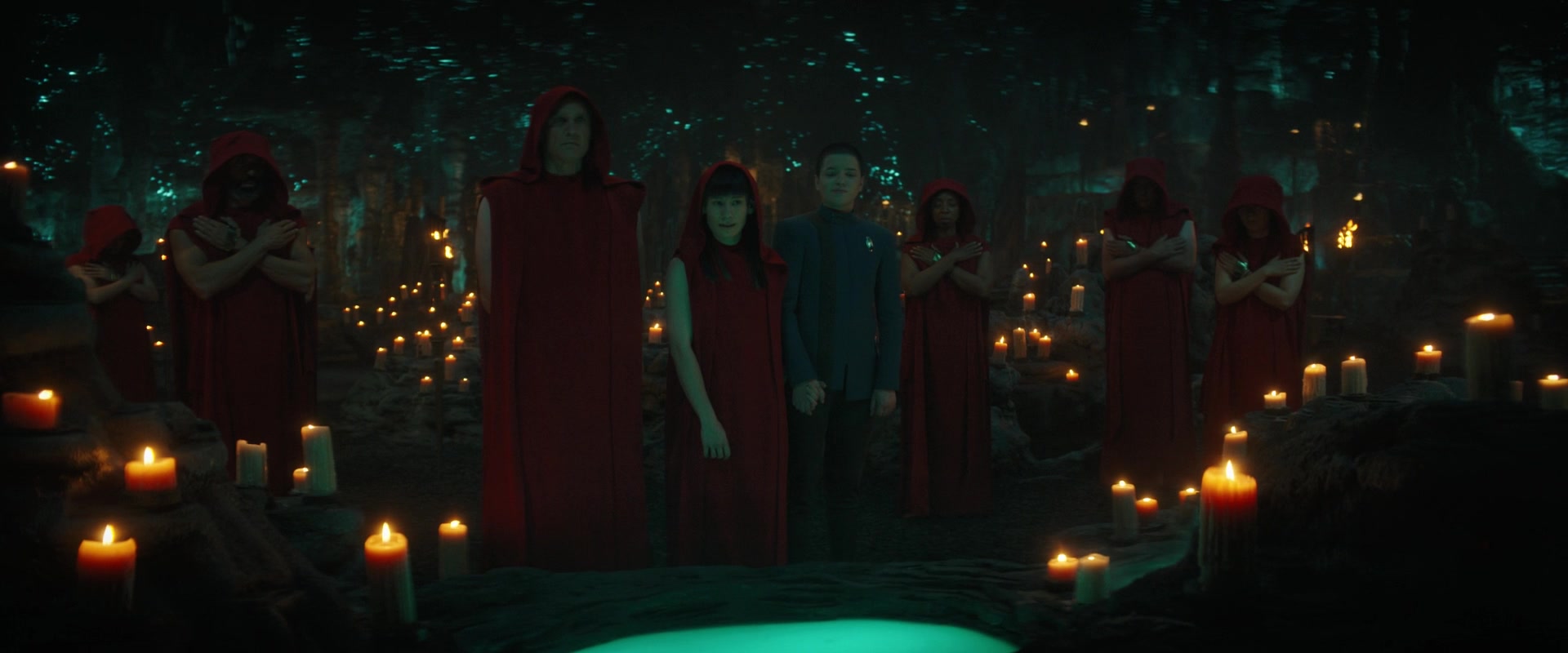
In the Trill cave, candles were lit as part of a ritual of remembrance, symbolizing the continuity of past lives and the bond between host and symbiont. When the request for candles came in at the last minute, our team quickly scanned the practical set pieces and integrated them into the virtual environment, replicating them throughout the space. This seamless blend of practical and digital elements fulfilled the creative ask and delivered a successful VP solution that elevated the authenticity of the scene.
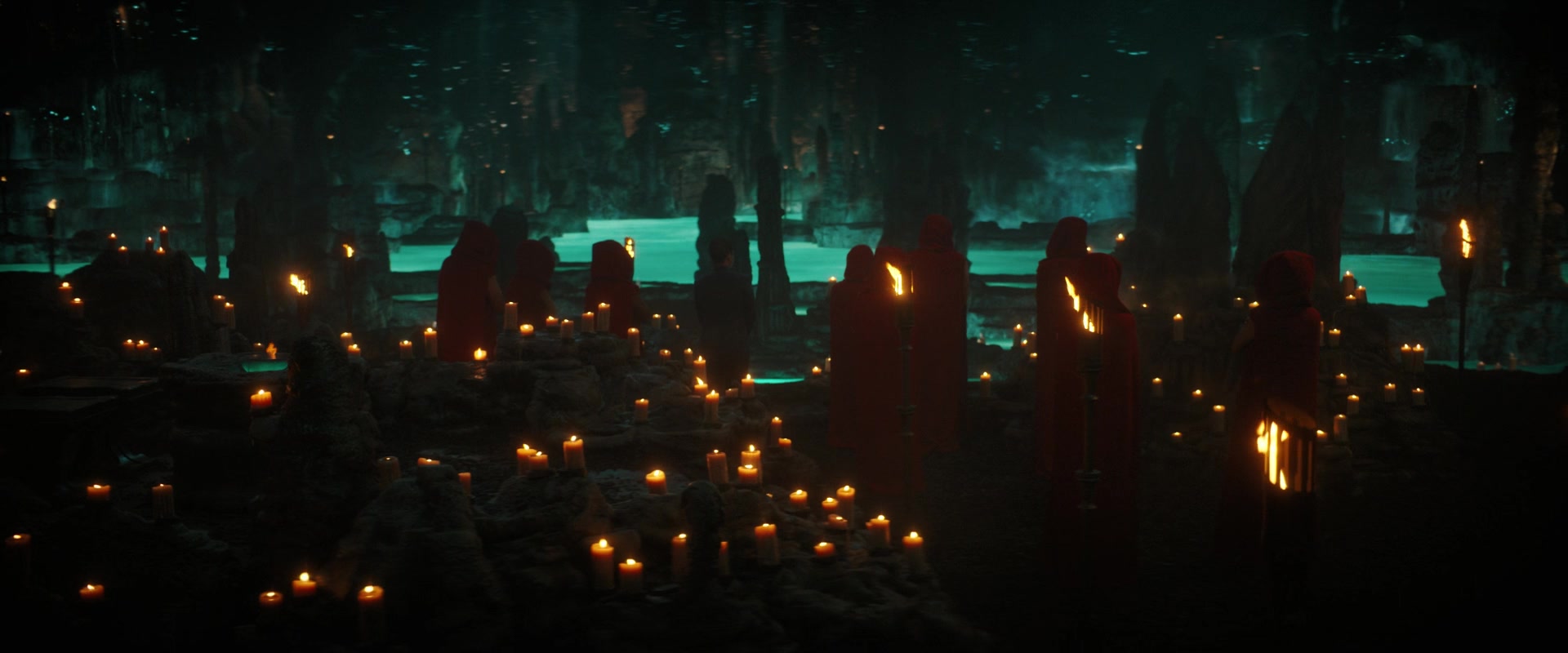
In-Camera Finals were possible with the usage of Virtual Production
Breen Ship
巨大なエイリアン球体
A gigantic alien sphere, massive in scale, bewildering in design, and truly powerful -- looms out of the cosmic shadows, dwarfing Discovery to a veritable speck in space.
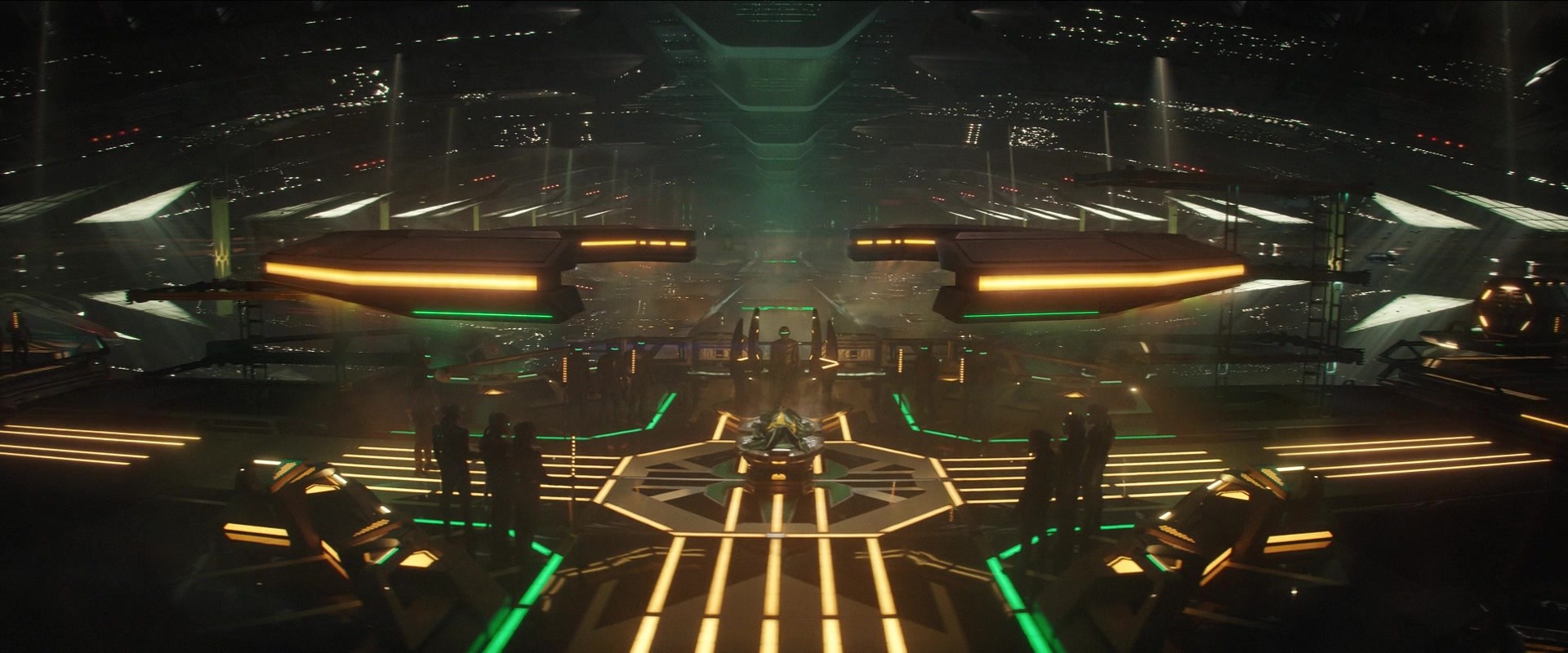
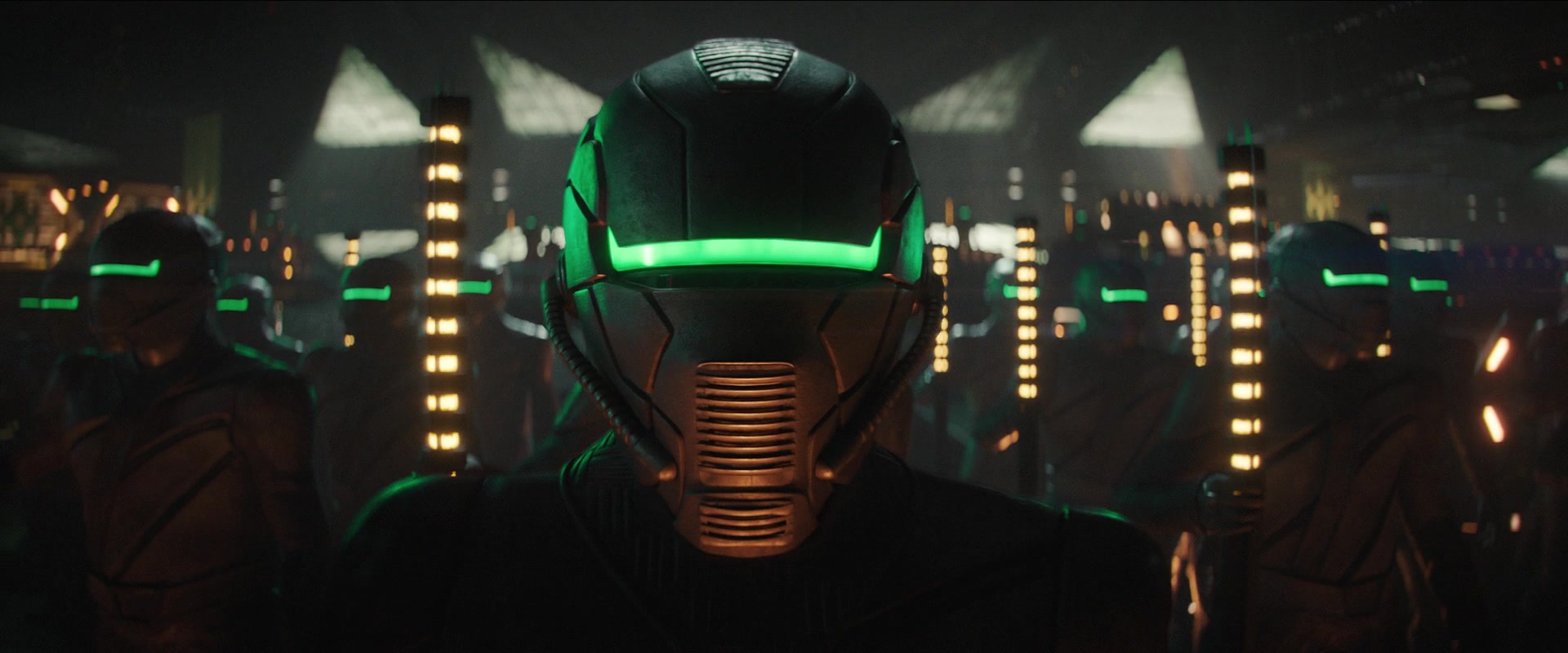
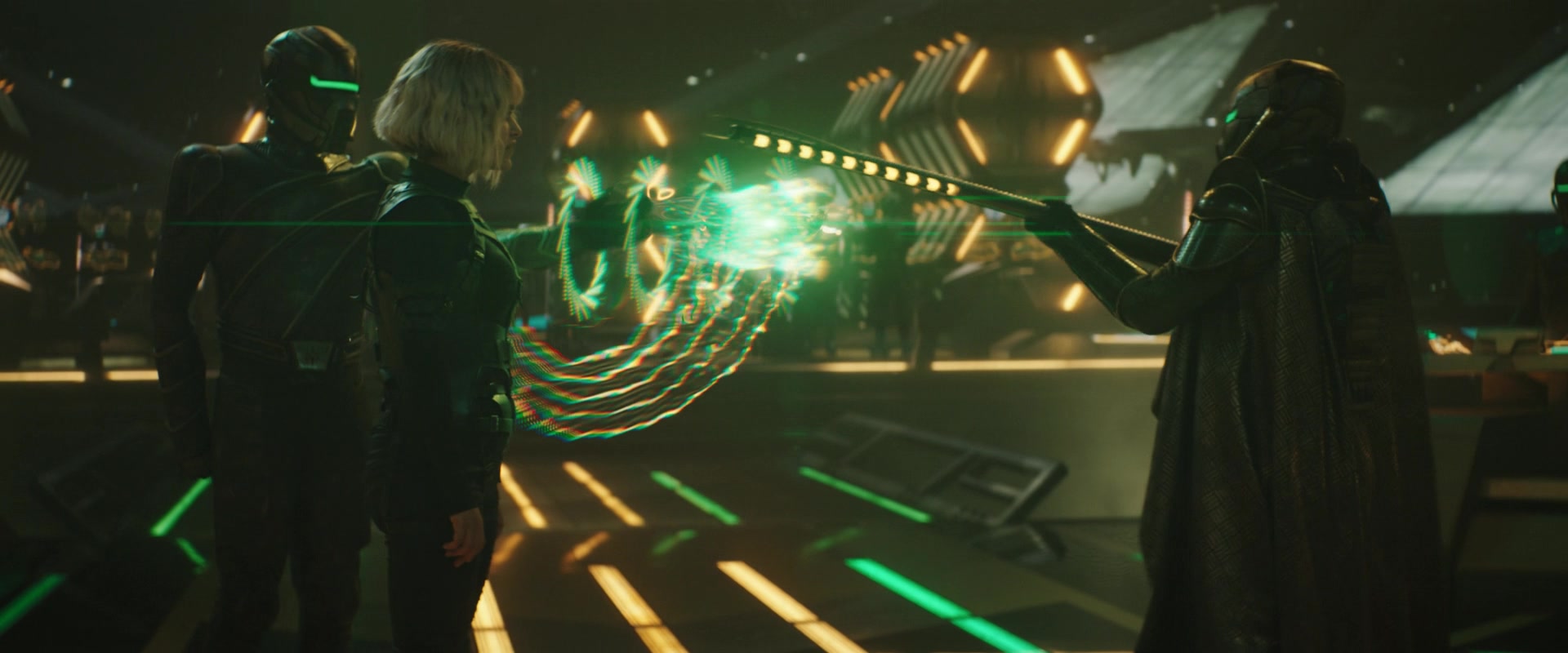
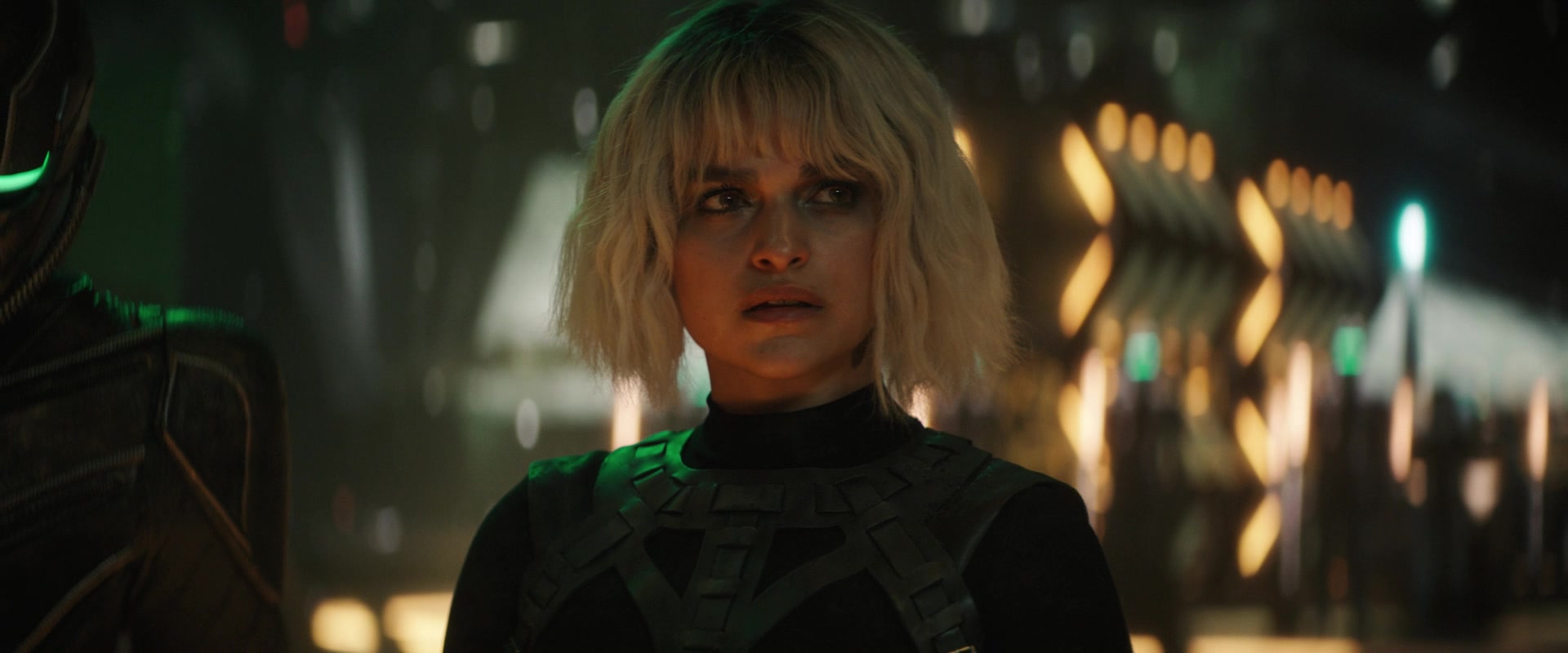
The Trill cave environment serves as a spiritually charged setting that connects deeply to Trill culture and the symbiont legacy. Carved into the subterranean rock, the cave embodies a sense of ancient reverence, with bioluminescent details and organic textures evoking the Trill’s bond between host and symbiont. Its design reflects both mystery and serenity, providing a backdrop for moments of introspection, ritual, and the passing of knowledge.
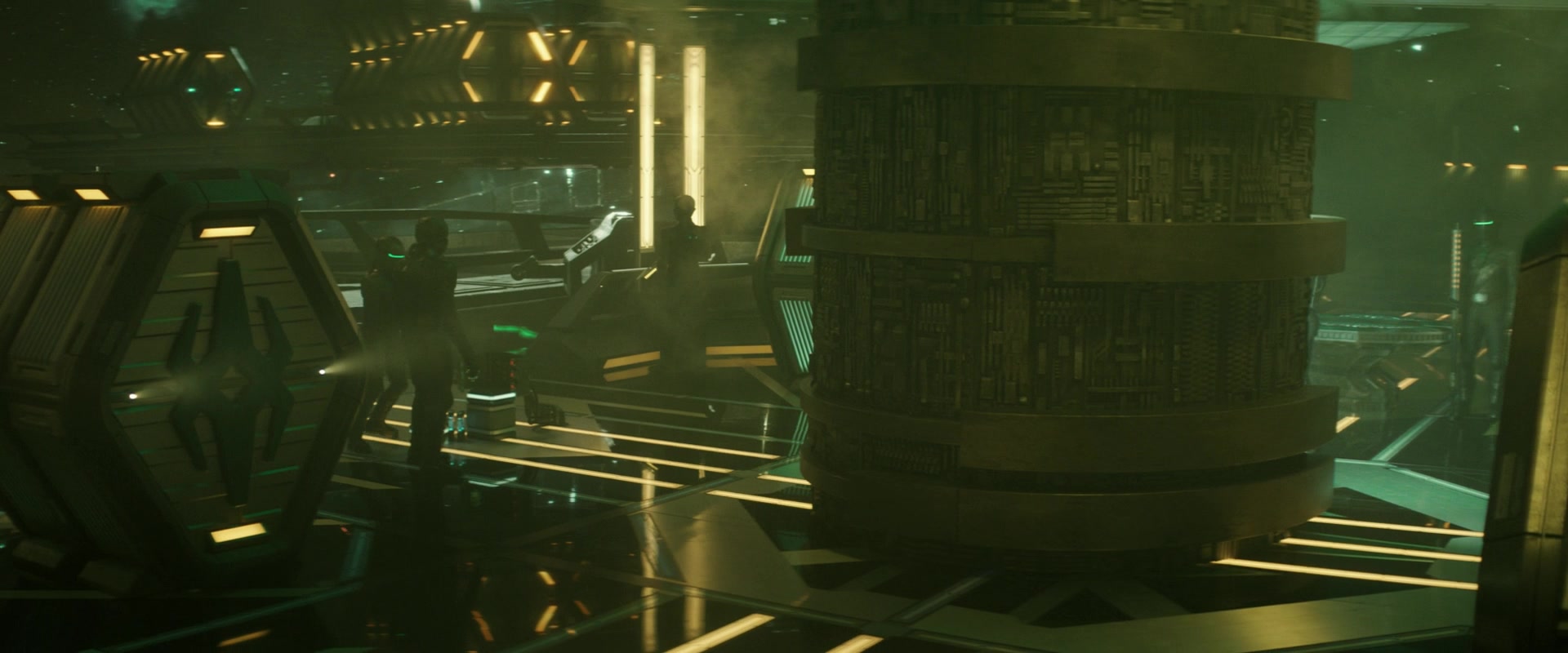
In-Camera Finals were possible with the usage of Virtual Production
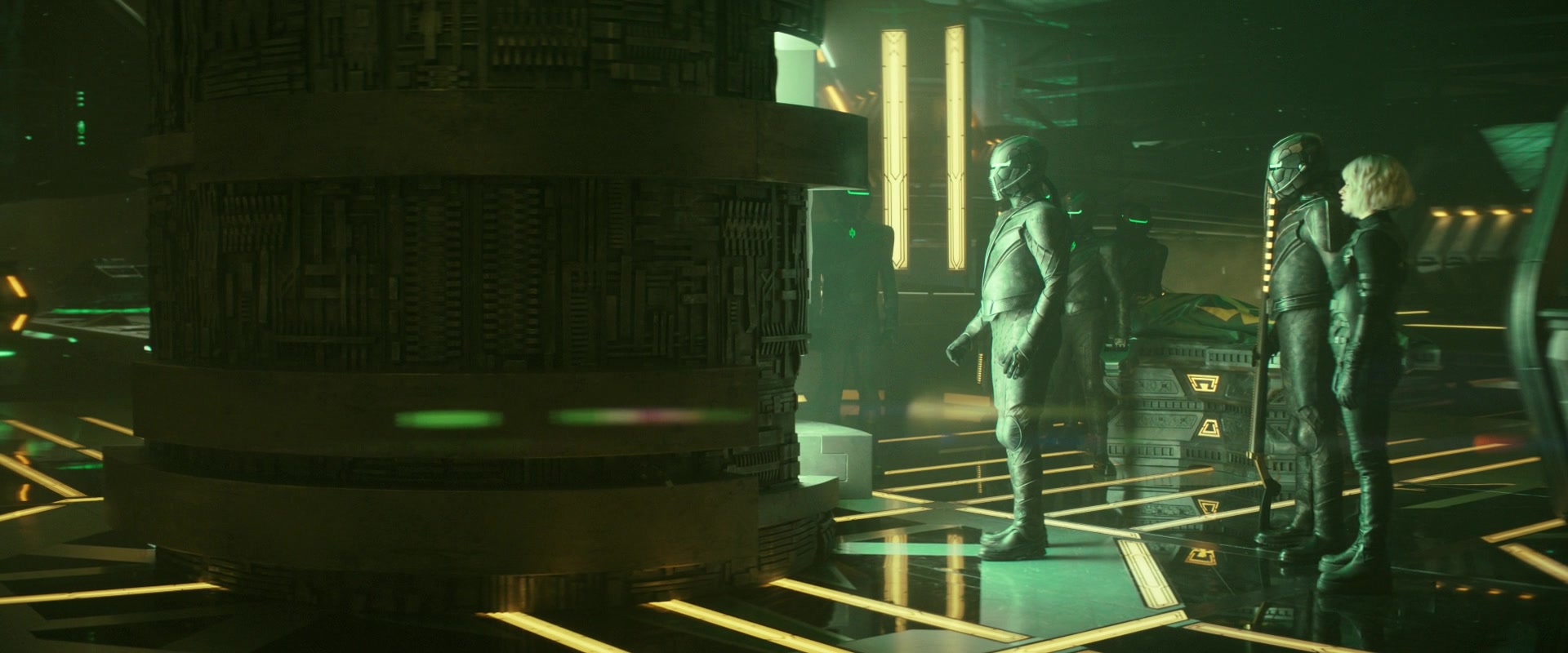
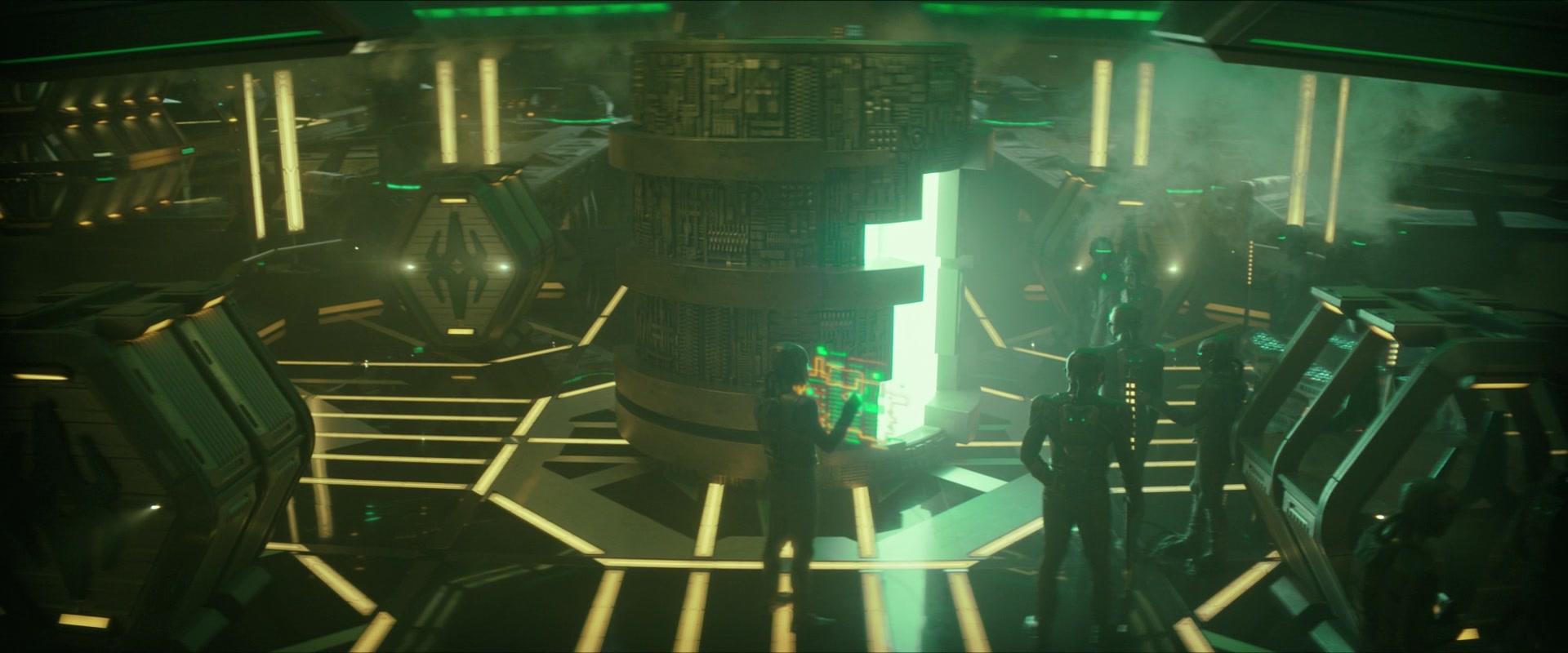
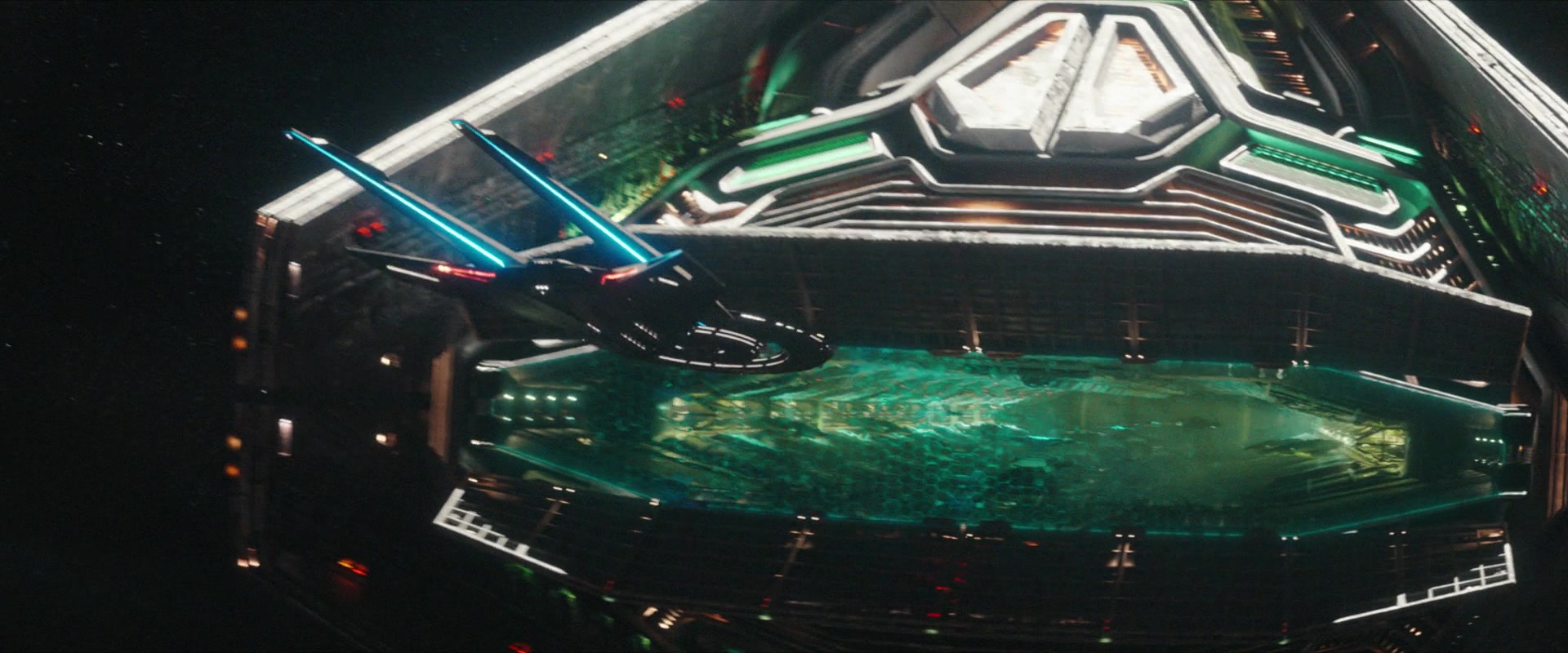
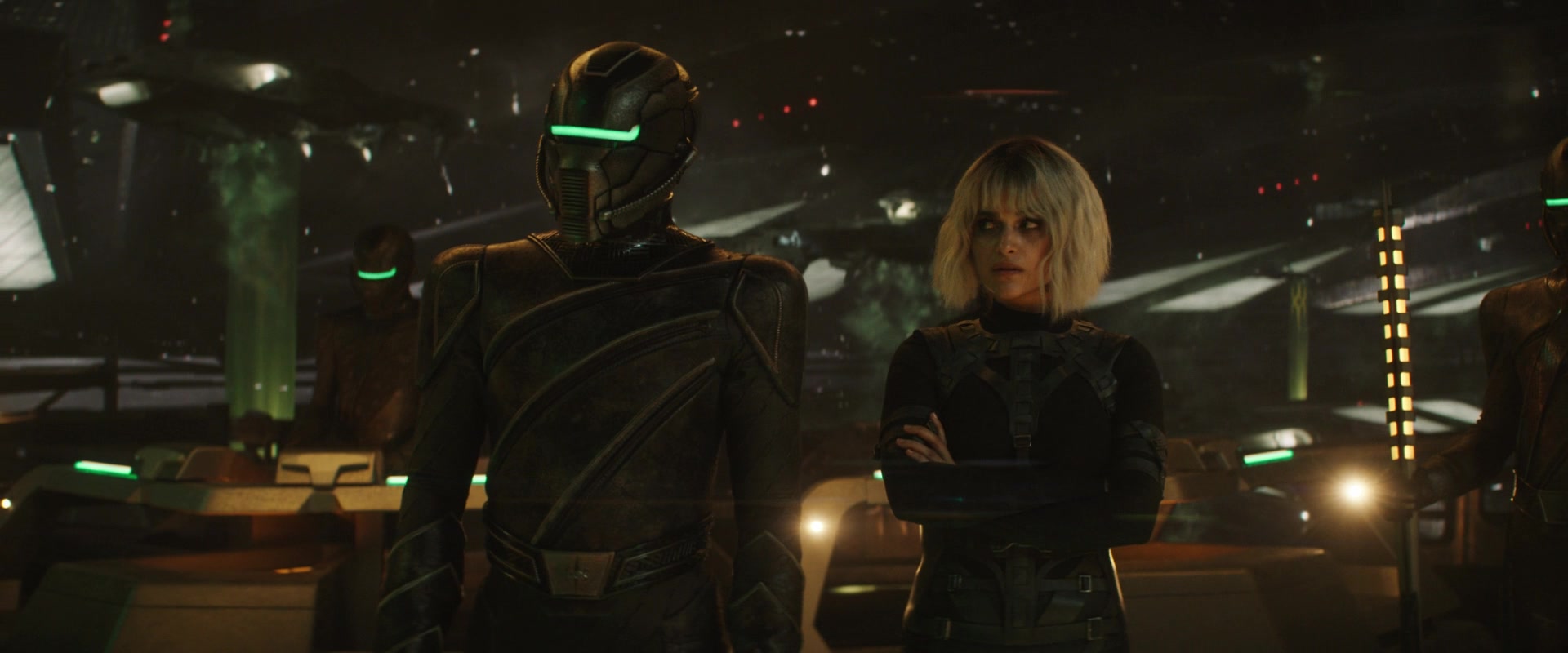
In-Camera Finals were possible with the usage of Virtual Production
Alien Planet
エイリアンプラネット
The cloud-ocean planet serves as one of the mysterious waypoints in the crew’s search for ancient technology. Its surface is unlike any other world they’ve encountered—an endless sea of thick, roiling clouds pierced by immense rock spires that jut upward as if defying gravity. For the characters, this environment is both a physical and symbolic challenge: navigation is treacherous, visibility is limited, and the very laws of nature seem distorted. It becomes a backdrop that tests their resolve and ingenuity, reflecting the season’s larger theme of confronting the unknown and pushing beyond the limits of what feels possible.
Mystery Surrounded by Clouds
This environment was conceived as a planet dominated by an endless ocean of clouds, punctuated by towering rock columns that pierce through the atmosphere. The landscape constantly plays with gravity, bending our normal expectations of physics and creating a sense of disorientation and wonder. These floating structures and impossible vistas establish a surreal, dreamlike quality that pushes beyond conventional planetary design. The visual language of defying gravity and challenging natural laws became a recurring motif throughout the season, reinforcing the show’s theme of venturing into the unknown and encountering worlds that expand the boundaries of imagination.
Moll & L'ak Ship
モル&ラック船
The first environment we shot featured Burnham on the exterior of Moll and L’ak’s ship, performing a repair while traveling at warp speed. The warp environment was conceived as a corridor of flowing light and energy, with vibrant streams stretching into infinity to evoke faster-than-light travel. Shifting colors, motion parallax, and subtle distortions amplified the sense of speed and danger, immersing both characters and audience in the surreal experience of working outside a starship in warp.
In Star Trek: Discovery Season 5, Moll and L’ak travel aboard a courier vessel that becomes central to the Federation’s pursuit of the Progenitor technology. Their ship is smaller and more utilitarian than Starfleet designs, built for speed and survival on the fringes rather than comfort. It carries a rough, almost predatory look, emphasizing the duo’s outlaw lifestyle.
One of the season’s standout sequences occurs when Captain Michael Burnham is forced to exit the Discovery at warp to repair damage on the ship’s exterior. The scene highlights both the danger of operating at such velocities and Burnham’s resolve in taking extreme risks to save her crew and complete the mission. Working against the streaming backdrop of warp space, she makes emergency fixes under near-impossible conditions, underscoring the show’s emphasis on pushing characters to the edge—both literally and figuratively.
The Warp
There were 2 distinct looks we had to setup for the sequence and we went with one blue and another greenish.
For this sequence, virtual production was critical in bringing the warp environment to life. Instead of relying solely on green screen and post-VFX, the team built a dynamic real-time warp backdrop on the LED volume, enveloping the performer in shimmering streams of faster-than-light travel. This approach captured authentic reflections, interactive lighting, and motion parallax directly in camera, while giving Burnham a tangible visual reference to play against. The result was a heightened sense of danger and immersion, with the warp effect fully integrated into the performance—delivering near-final shots on the day of filming and greatly reducing post-production time.
In-Camera Finals were possible with the usage of Virtual Production
VAD Real-Time Environment WIP
Qmau Desert Camp
クマウ砂漠集落
The Q’mau Desert Settlement in Star Trek: Discovery Season 5 was envisioned as a remote frontier outpost set against harsh desert terrain. Virtual production brought it to life with expansive dune backdrops, shifting skies, and atmospheric effects projected on the LED volume, capturing cinematic scale, natural lighting, and dust-filled realism while avoiding the challenges of on-location shooting.
In Star Trek: Discovery Season 5, the Q’mau Desert Settlement stands out as one of the more grounded yet visually striking locations. From a lore perspective, it is presented as a remote outpost within a harsh desert landscape, where survival is difficult and resources are scarce. Its dusty architecture and sun-baked vistas emphasize a frontier quality of life away from the stability of Federation worlds, while serving as the backdrop for key story interactions.
From a virtual production standpoint, the settlement was an ideal candidate for the LED volume. Expansive dune backdrops, blazing skies, and shifting atmospheric effects were projected in real time, capturing wide, cinematic desert environments without the need for location shooting. Dynamic lighting—sun glare, heat shimmer, drifting dust—interacted naturally with the practical set pieces and costumes. This grounded the actors in the environment and allowed the crew to revisit the settlement across multiple scenes and episodes, ensuring visual continuity while significantly reducing the cost and complexity of desert filming.
Our team designed the environment with modularity in mind, constructing the settlement from a limited number of unique parts mixed and matched to create variety within a consistent theme. This approach allowed us to build a vast and detailed environment that felt rich and believable while staying highly performant. The same modular technique was applied not only to the buildings, but also to the surrounding mountains and rock spires.
In-Camera Finals were possible with the usage of Virtual Production/
There was a massive colour adjustment to make everything feel more "desert like".
Sand Runner
サンドランナー
In Star Trek: Discovery Season 5, the Sandrunner sequence delivers one of the show’s most kinetic desert action moments. The Sandrunner—an alien creature adapted to the arid environment—erupts from beneath the dunes, creating a sudden sense of peril for Burnham and the crew as they navigate the Q’mau desert. The chase across shifting sands highlights the harshness of the planet and the unpredictability of survival on its surface, tying directly into the season’s theme of confronting the unknown.
The Sandrunner sequence was a showcase for how the LED volume can merge practical and digital elements into one seamless environment.
Expansive desert skies and rolling dunes were rendered in real time, providing interactive lighting and reflections across costumes, props, and sand set pieces.
The volume gave actors a dynamic and reactive environment to play against, while atmospheric passes like blowing sand, heat shimmer, and dust storms were integrated in-camera.
This approach allowed the team to shoot an effects-heavy chase sequence quickly and safely, while delivering footage that already looked close to final on the day of production.
In-Camera Finals were possible with the usage of Virtual Production, while traditional VFX playing a huge role in the wide establisher moments.
Both techniques were pivatol and used in combination to make the stunning sequence.
The Trill Caves
トリル洞窟
Ni'Var, formerly Vulcan, was an inhabited M-class planet in the Vulcan system of the Alpha Quadrant. Though the planet had no moons, it did form a binary pair with T'Khut and was considered its sister planet.. It was the homeworld of the Vulcans, a warp-capable humanoid species.
The Trill cave environment serves as a spiritually charged setting that connects deeply to Trill culture and the symbiont legacy. Carved into the subterranean rock, the cave embodies a sense of ancient reverence, with bioluminescent details and organic textures evoking the Trill’s bond between host and symbiont. Its design reflects both mystery and serenity, providing a backdrop for moments of introspection, ritual, and the passing of knowledge.
Key Art to the Main Cave Direction
Opposite direction Key Art and a path leading to another chamber where the characters enter from.
The cave was built as a layered, controllable environment inside the LED volume. Real-time rendering projected the stone walls, glowing pools, and ambient light sources, allowing the team to control subtle shifts in atmosphere—like damp reflections, mist, or the intensity of bioluminescent glows—in camera. This setup not only grounded the actors in a tactile and believable space but also allowed the creative team to revisit the location multiple times across the season without the complexity of constructing a massive practical cave set. The result was an environment that felt both immersive and intimate, while remaining flexible for storytelling needs.
In the Trill cave, candles were lit as part of a ritual of remembrance, symbolizing the continuity of past lives and the bond between host and symbiont. When the request for candles came in at the last minute, our team quickly scanned the practical set pieces and integrated them into the virtual environment, replicating them throughout the space. This seamless blend of practical and digital elements fulfilled the creative ask and delivered a successful VP solution that elevated the authenticity of the scene.
In-Camera Finals were possible with the usage of Virtual Production
Breen Ship
巨大なエイリアン球体
A gigantic alien sphere, massive in scale, bewildering in design, and truly powerful -- looms out of the cosmic shadows, dwarfing Discovery to a veritable speck in space.
The Trill cave environment serves as a spiritually charged setting that connects deeply to Trill culture and the symbiont legacy. Carved into the subterranean rock, the cave embodies a sense of ancient reverence, with bioluminescent details and organic textures evoking the Trill’s bond between host and symbiont. Its design reflects both mystery and serenity, providing a backdrop for moments of introspection, ritual, and the passing of knowledge.
In-Camera Finals were possible with the usage of Virtual Production
In-Camera Finals were possible with the usage of Virtual Production
© CONTENT コンテンツ
(MJ-S10-02)
QUICK ACCESS クイックアクセス
Quick Access
© CONTENT コンテンツ
(MJ-S10-03)
SELECTED PROJECTS 選定されたプロジェクト
SELECTED PROJECTS
SELECTED PROJECTS